Aotearoa’s unique native species evolved for millions of years without introduced predators or invasive plants. Today, many pest species are found across the country, including in Pukenui and Western Hills Forest. Without active pest management, these invaders can overwhelm native biodiversity.
If you spot any unusual pest species in Pukenui Forest, please contact us immediately.
Pukenui Forest has long been impacted by introduced predators and herbivores. Active pest control is vital to protect native plants and wildlife.
The most common pest animals and their impacts:
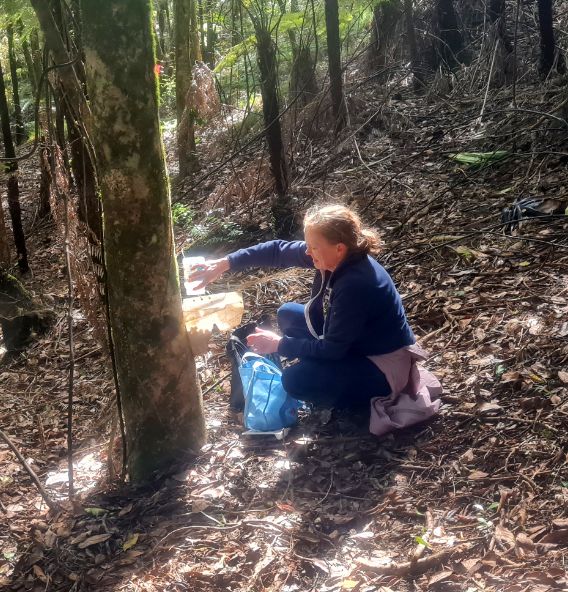
The Trust has successfully eradicated feral goats and pigs and continues intensive trapping and baiting lines to target possums, rodents, and mustelids. Collaboration with neighbouring landowners supports a Predator Free Aotearoa vision.
The fungal disease myrtle rust affects plants in the myrtle family, including iconic species such as pohutukawa and manuka. While it thankfully has not yet spread widely in Pukenui Forest, awareness is important. If you see suspicious symptoms:
For more information, visit the MPI website.
Pukenui Forest borders the city of Whangārei, and over time many garden plants have ‘jumped the fence’ into the forest. Common invasive plants include:
These plants can:
Whangārei District Council works on weed control in Coronation Park, and local volunteers help manage invasive plants along the forest edge. You can make a difference by forming a Weedbusters group with neighbours or friends.
Every effort counts towards a healthier forest ecosystem. You can get involved by signing up as a volunteer and help with pest control, weed removal, and habitat restoration. Or you can donate to support ongoing conservation work and native species protection.