
Trap Data
| Month | Weasel | Stoat | Cat | Rat | H.hog | Possum* | Ferret | Other |
| January | 4 | 7 | 1 | 101 | 5 | 18 | 1 | 4 |
| February | 1 | 1 | 1 | 71 | 3 | 27 | 0 | 2 |
| March | 0 | 2 | 0 | 69 | 0 | 39 | 0 | 2 |
| April | 3 | 0 | 0 | 93 | 3 | 21 | 0 | 1 |
| May | 3 | 1 | 1 | 166 | 0 | 96 | 0 | 13 |
| June | 4 | 2 | 1 | 138 | 0 | 93 | 0 | 6 |
| July | 3 | 2 | 1 | 119 | 0 | 100 | 0 | 5 |
| August | 1 | 0 | 0 | 140 | 1 | 88 | 0 | 3 |
| Sept | 1 | 0 | 0 | 66 | 0 | 38 | 0 | 8 |
| October | 3 | 1 | 0 | 140 | 1 | 83 | 0 | 6 |
| Nov | 1 | 0 | 0 | 73 | 0 | 67 | 0 | 4 |
| Dec | 0 | 3 | 2 | 110 | 0 | 77 | 0 | 4 |
| * Not including AT220 kills | ||||||||
| Yearly Totals | Weasel | Stoat | Cat | Rat | H.hog | Possum* | Ferret | Other |
| 2024 | 19 | 14 | 7 | 644 | 11 | 19 | 1 | 14 |
| 2025 | 24 | 19 | 7 | 1286 | 13 | 747 | 1 | 58 |
December:
Just one RatAbate toxin block to which will be completed early next week. Thanks goes out to Pete Dooley and Angus who, along with regular trapping, have also completed x2 blocks. Joe and Ryan also helped out with toxin.
24 toxin blocks now complete of this pulse: it’s been great having Pae from Ngāti Hine onboard, as well as the help from NRC and volunteers. 15 blocks remaining for this pulse.
Andy and Craig finished the year off with a day out trapping together, servicing the AT220’s up from Barge Park. They are starting to see an increase of possums again in the area.
They came across a Chocolate Tube Slime (Stemonitis splendens):
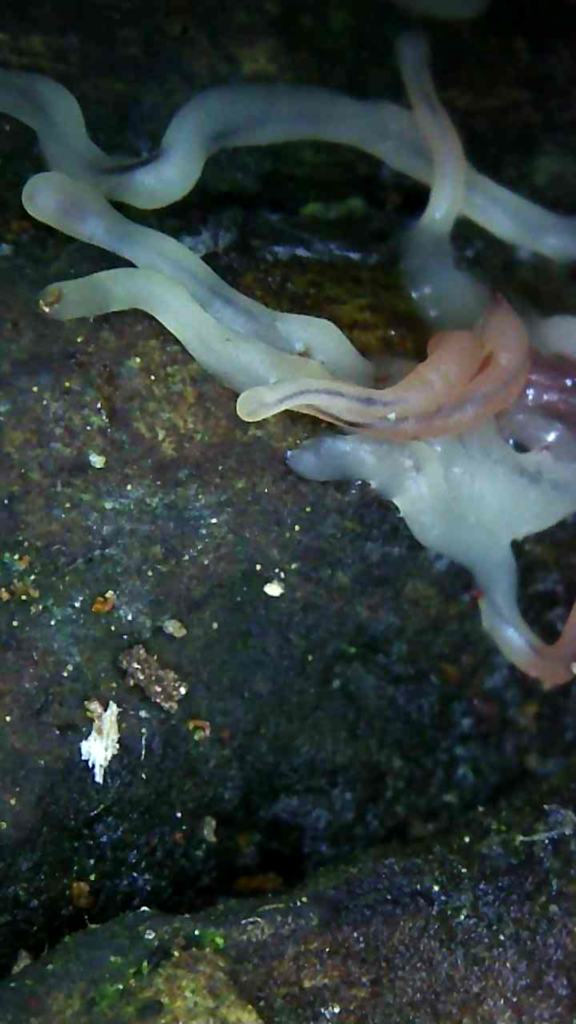
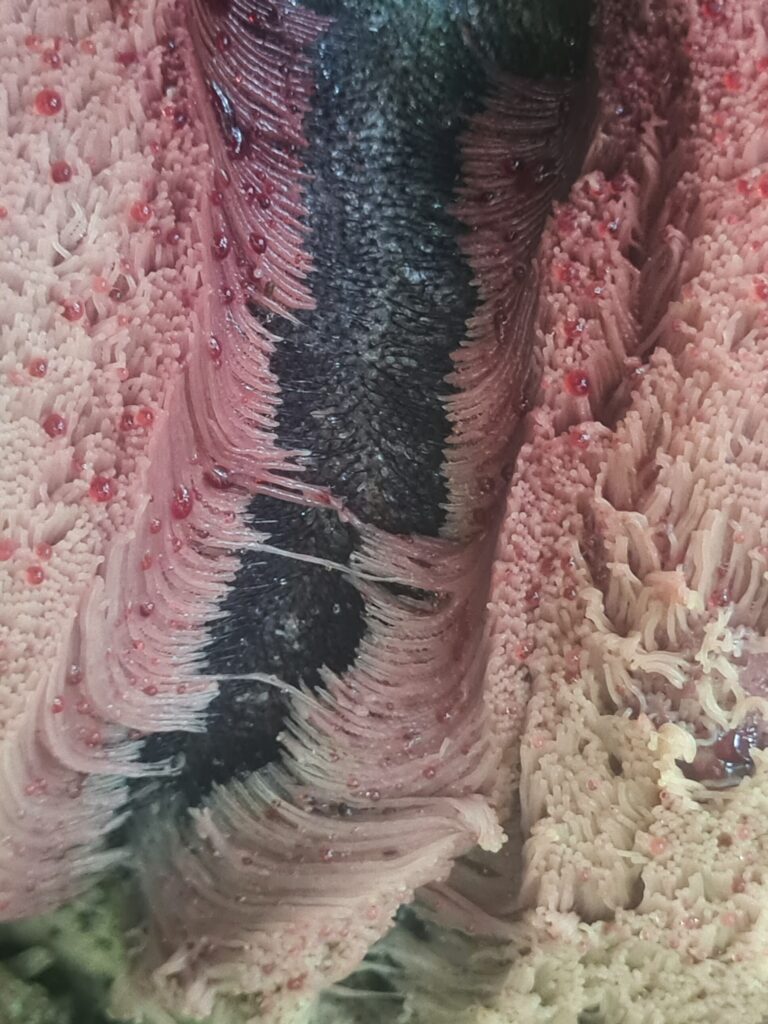
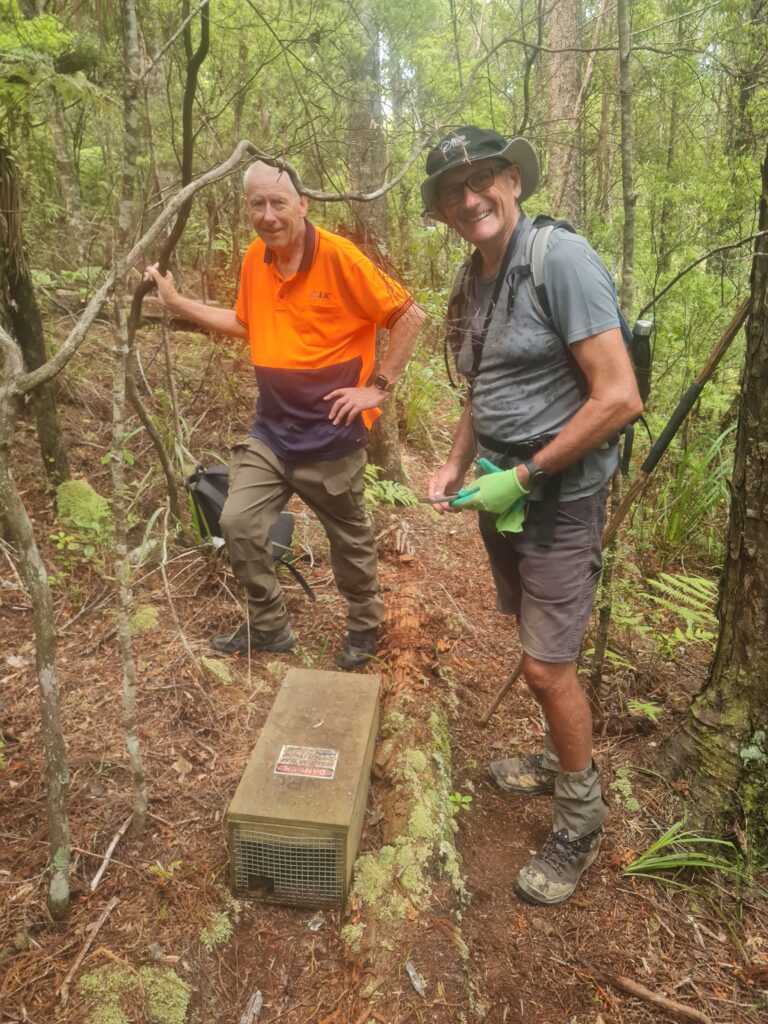
Michael and Steve helped Ranger Andy on the Whero and Michael has officially taken that line on. Thanks goes out to Steve who helped to train Michael with his trapping and navigation.
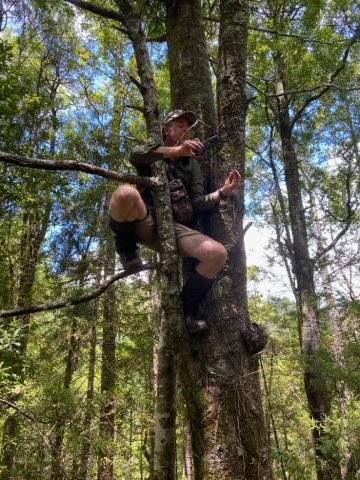
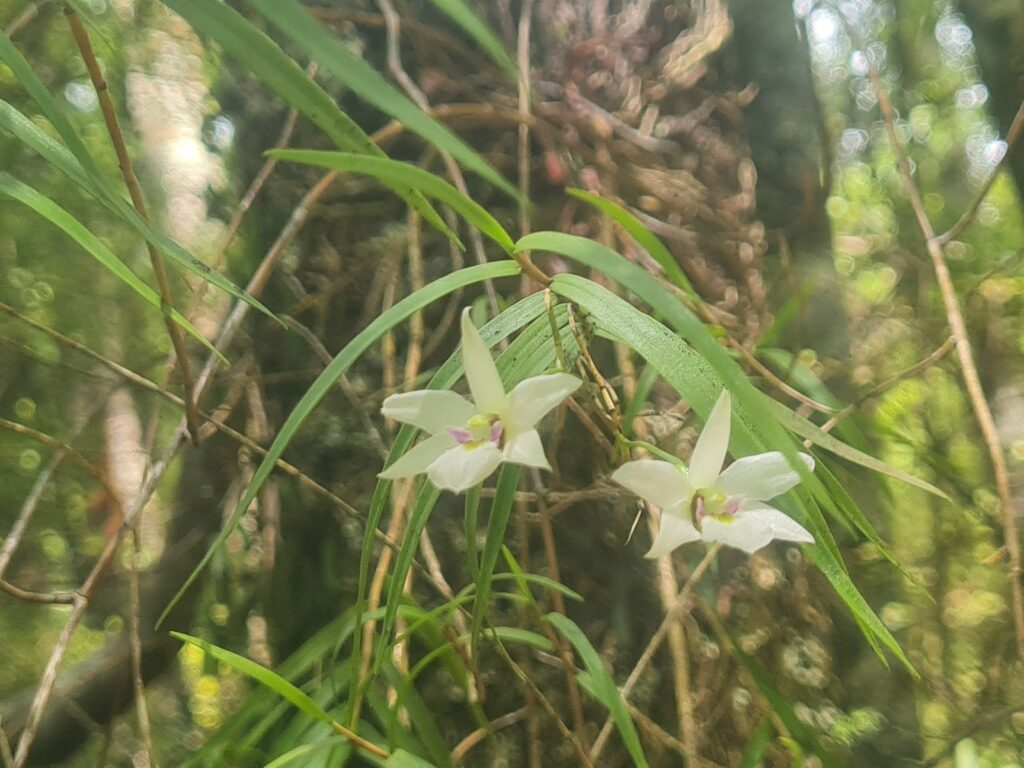
While walking a ridge near Clements Quarry we came across some endemic Dendrobium cunninghamii orchids aka Pekapeka orchid. Not a straightforward thing to photograph:
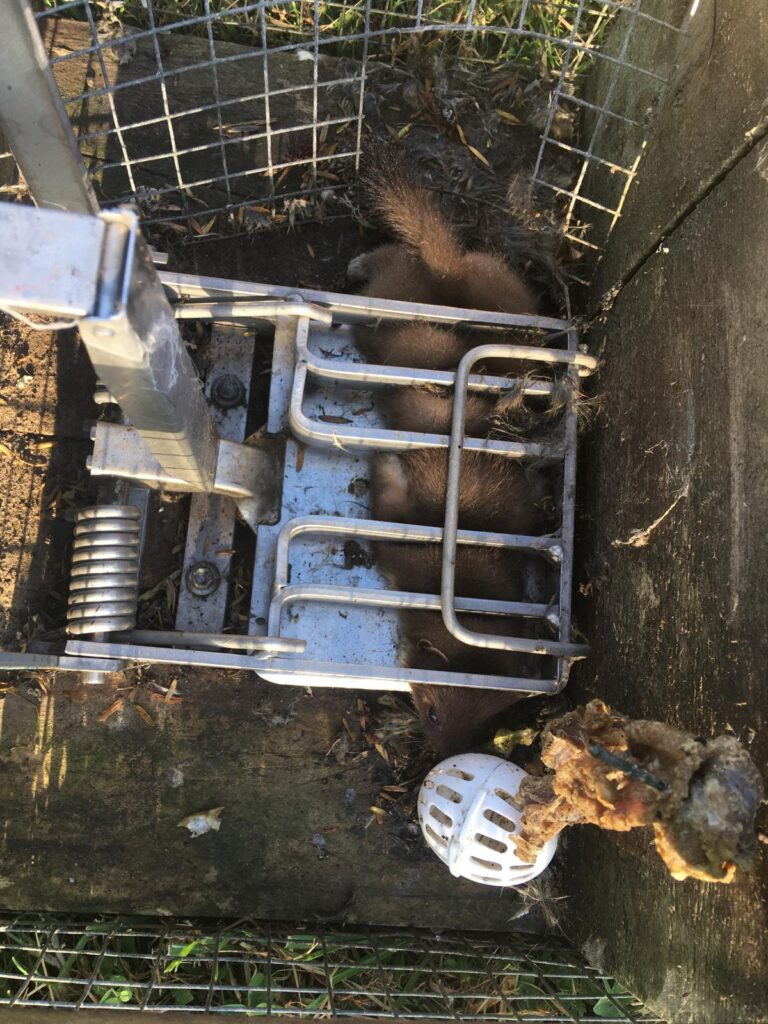
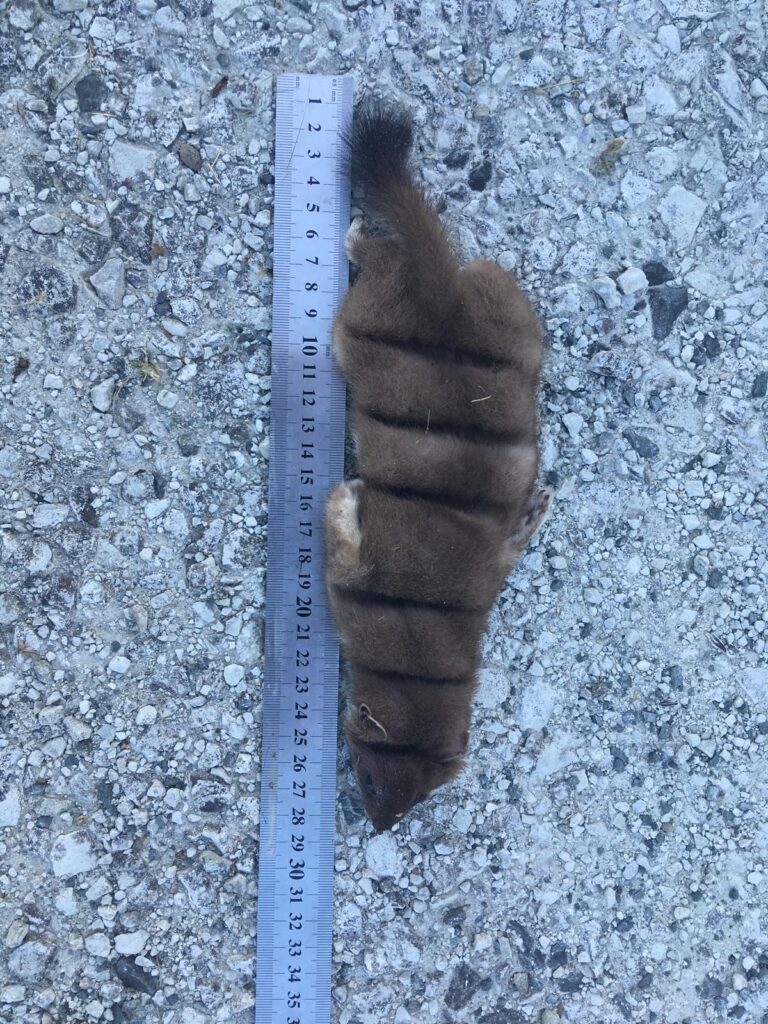
Andy caught a large stoat using a whole rabbit as bait. Photo Credit: Joe Cowan.
Late December Craig stumbled across the first German wasp nest of the season, with lots of the little blighters coming and going already. Hopefully in 2026 we will be able to deal to these pests.
January 2026:
New Ranger Rose started early January – welcome! It’s great to have more help in the ngahere.
They started the year with a ranger’s trapping day on the Emerald line to get Rose started, which is great as the rangers often work alone so it’s good to have some companionship at times.
There has been an increase in stoats and weasels in the traps and on camera so the rangers are working hard to catch them.
In his time in the forest Andy considered the process of decomposition of the invertebrates that dwell in the realm of the dead. And he found some Creophilus oculatus or Devil’s Coachhorse beetle.
According to Wikipedia:
“The adults are one of the first insect species to arrive at a dead animal. Rather than feed directly on carrion, they consume carrion-feeding insects, especially the maggots of blowflies, and have been observed tearing open flies with their curved jaws to feed on their eggs. These beetles discharge an unpleasant-smelling white substance—described as smelling like “rotten fish” from glands on their abdomen when threatened.
Adults lay their eggs in a carcass, and the larvae are also predators of carrion-feeding insects. Although adult and larval stages of C. oculatus are documented and illustrated, the pupae are unknown”.
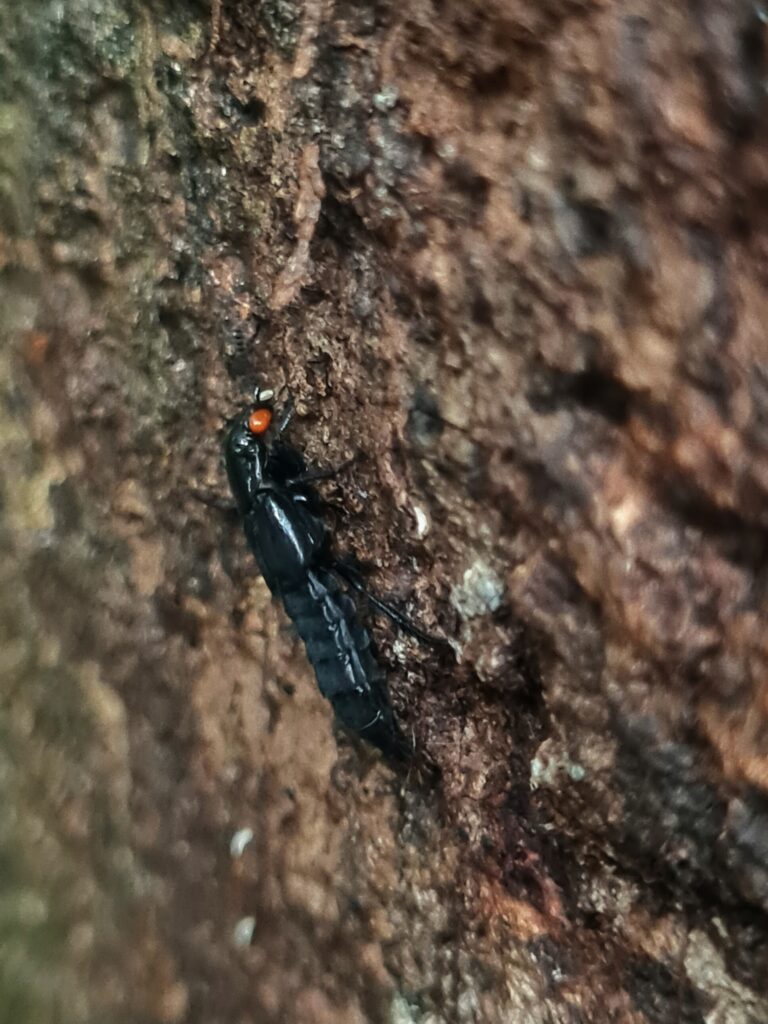
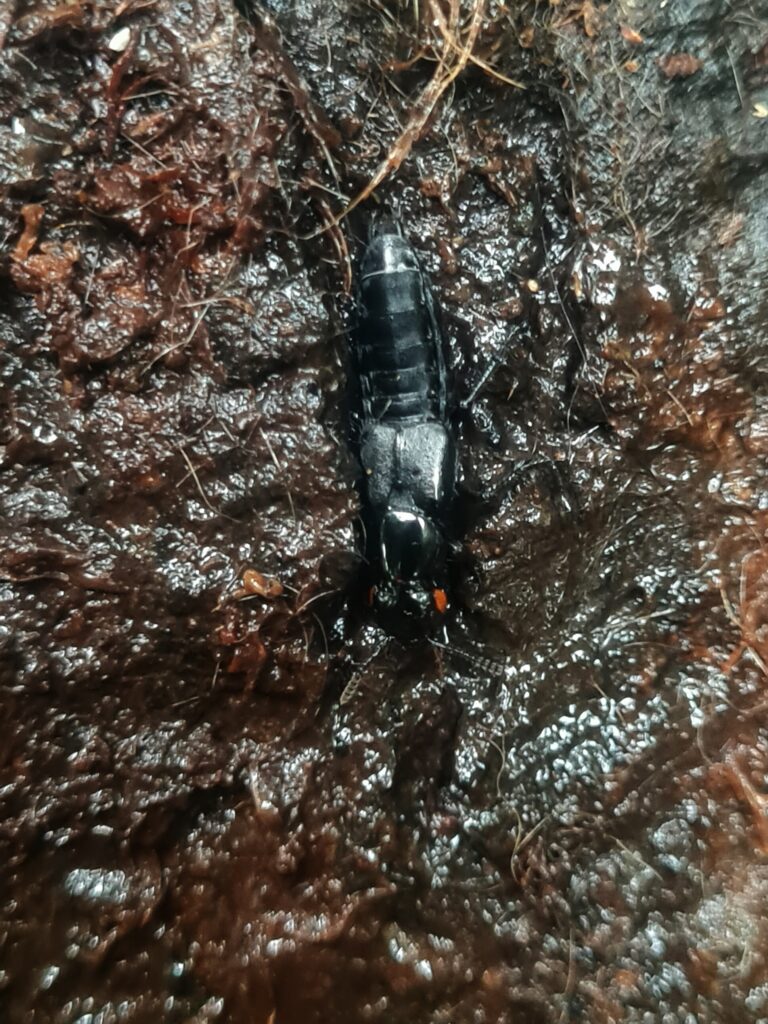
Photo Credit: Andy Avery
Mid January bought the rain and it was a busy and moist week of trapping in the Pukenui Forest. Chairperson Tim came out with the Rangers in the rain to investigate a possible long tail bat roost tree in the south of the forest. An additional ABM was temporarily erected along with x2 trail cameras. They will be monitored for bat sounds in the forest and hopefully we will learn a bit more about the Pekapeka of Pukenui.
Andy watched Black Headed jumping spider (Trite planiceps) guarding her little baby spider eggs. She was busy watching him back.
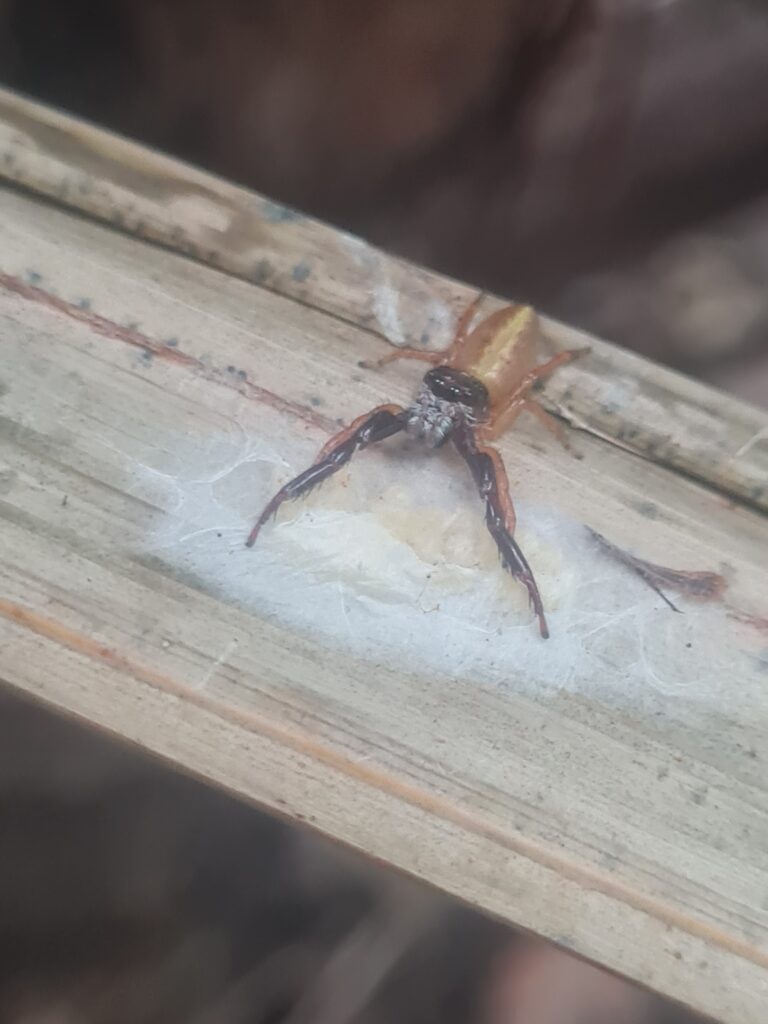
Photo Credit: Andy Avery
Craig reported a mustelid heavy start to the year with 8 being cleared from traps by rangers and volunteers this week – 2 stoats and 6 weasels. Thanks to all the volunteers a sizable chunk of the forest has already been trapped this year!
During the rainy days the rangers managed a bit of trapping, working around the moisture. On the wet days they sorted rabbit meat, fixed traps, and produced some new baffles for ongoing trap maintenance.