Week One from Ranger Andy:
Kia ora everyone,
While out trapping this week I observed various invertebrates on the forest floor covered in what looked like a fluffy white fungus. It turned out to be a genus of parasitic fungi named Cordyceps that infects invertebrates.

“While Cordyceps zombifies bugs on a massive scale, it poses zero risk to humans. The fungi have evolved over millions of years to thrive at the lower body temperatures and specific internal chemistry of insects. They cannot survive human body temperatures or mammalian immune systems”. YouTube – Longwood University
Photo Credit: Andy Avery
“When a moth is infected with Cordyceps, microscopic spores attach to its exoskeleton and infiltrate the body. The fungus slowly consumes the moth’s internal organs while keeping it alive, hijacking its nervous system to force an unnatural death-march to a high vantage point. The fungus compels the moth to climb to a specific height (often a leaf or branch) before death, which provides the optimal environment for spore dispersal. The host typically dies while clamped to this perch. The fungus then consumes the remaining tissue and sprouts long fruiting bodies from the moth’s body. These stalks erupt to rain down spores, ensuring the infection spreads to other unsuspecting moths and insects in the area”.cookforestconservancy.org
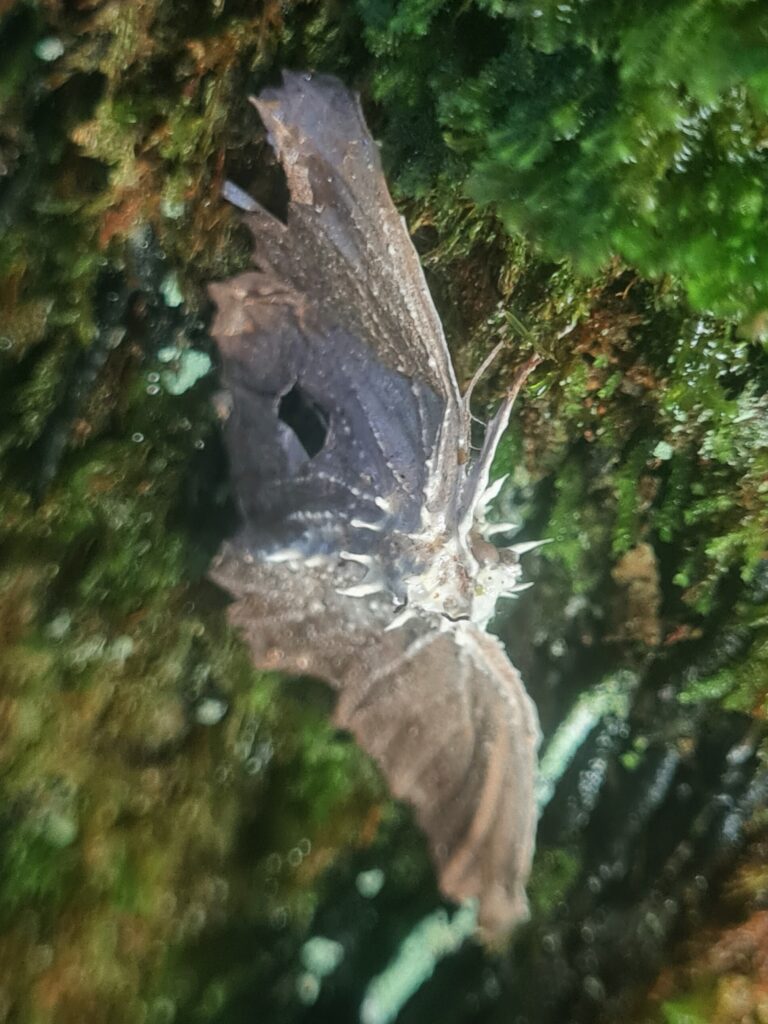
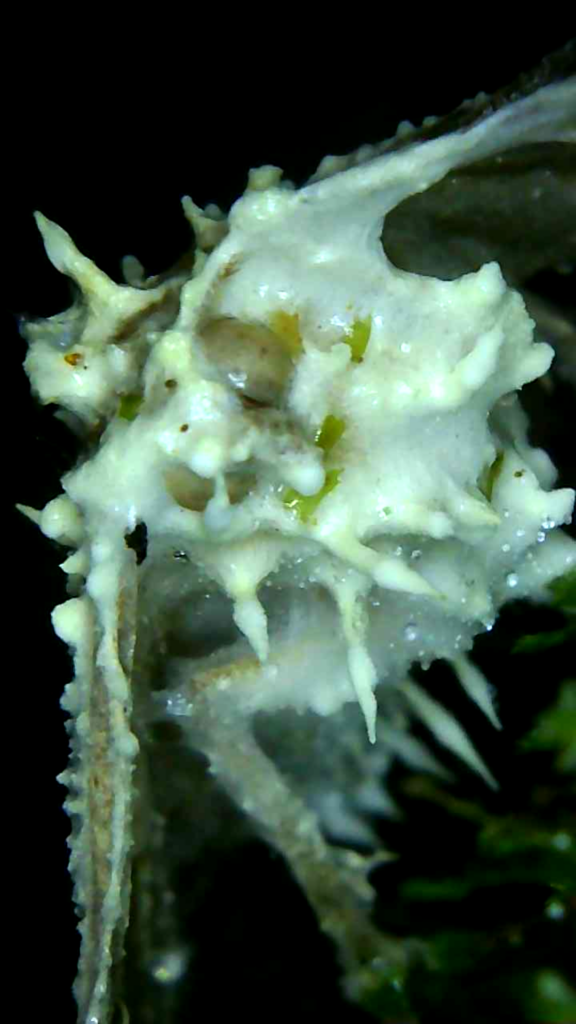
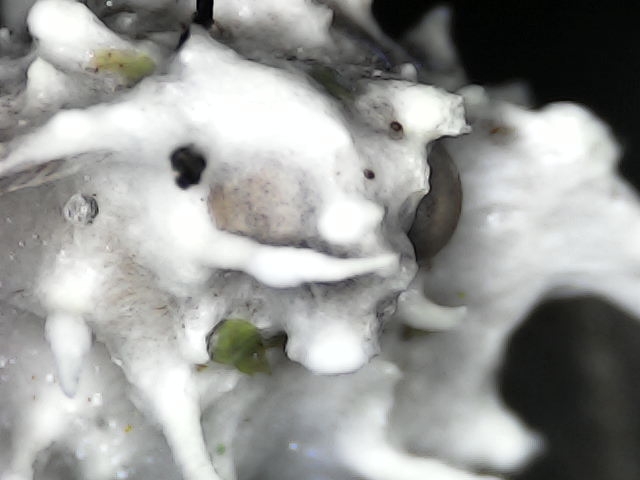
Photo Credits: Andy Avery
Week Two from Senior Ranger Andy:
Craig and I started the week by doing a bird listening survey along the public tracks. It was encouraging to hear the different birds including Tui, kererū, Grey warblers, Tomtits and many silvereyes.

I’ve also been out trapping with Pete Dooley on the Mawhero Trapline this week and West of Whau Valley Reservoir on the Bullseye line. I took a slight detour and found a waterfall of both water and roots.
Photo Credit: Andy Avery
Week Two from Ranger Craig:
Was great to do some 5-minute bird counts this week and just listen to the forest. We had a little wind on the ridges affecting the counts, but i think we got some decent data. Will share the results next week once compiled.
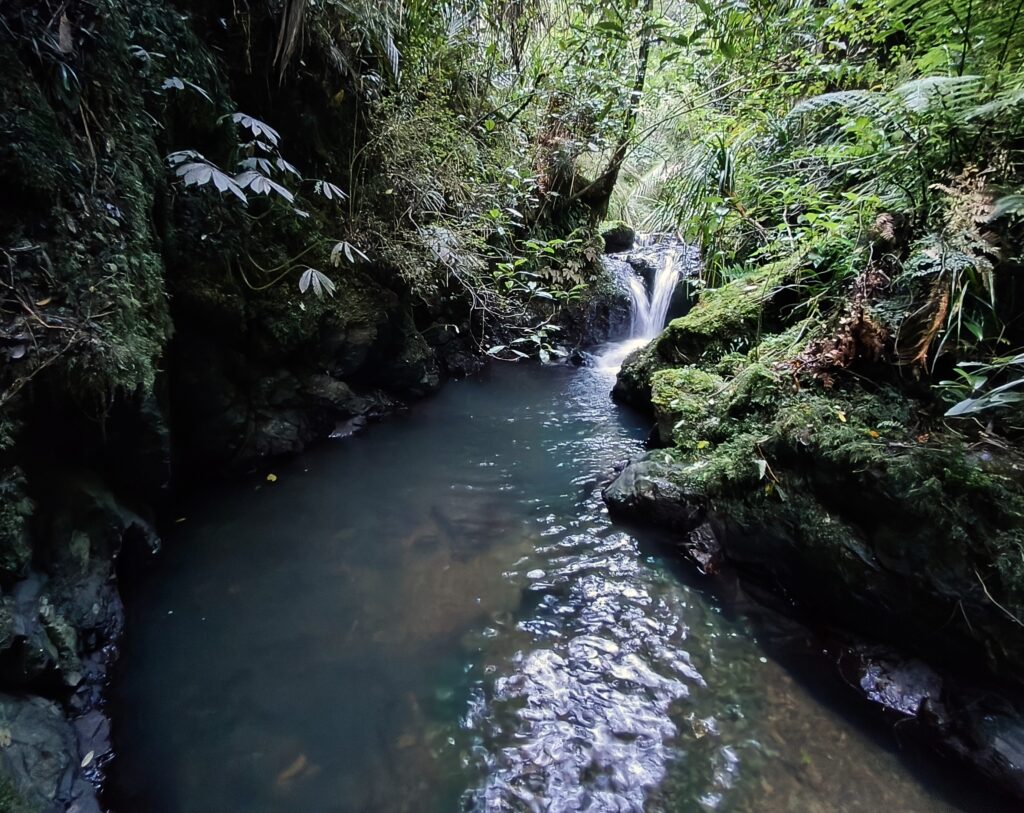
I had a good day visiting some of our remote automatic traps with a bit of a scenic river journey in the middle. Lots of nice waterfalls and pools.
Photo Credit: Craig Young
Week Three from Senior Ranger Andy:
This week I have been working with some new and existing volunteers, trapping in the Coronation Reserve. We are going out again next week to continue training, along with some other new volunteers.
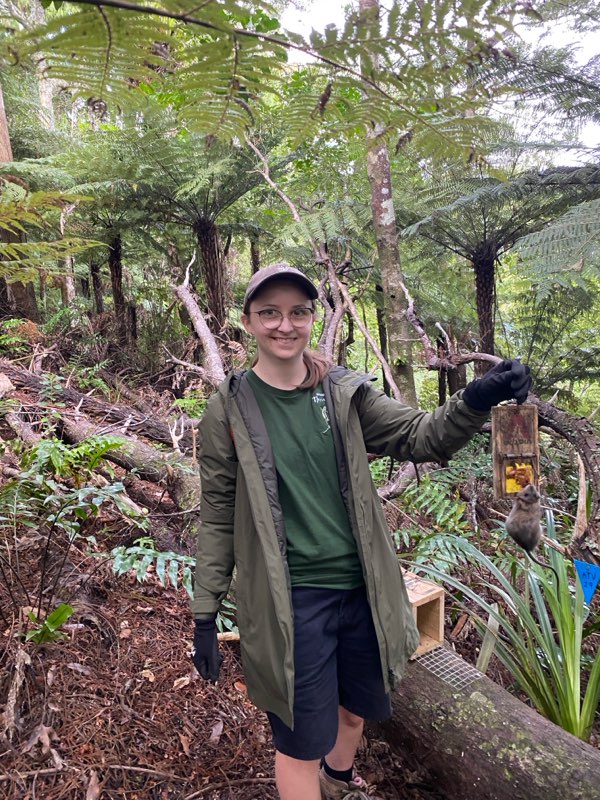
New Volunteer Rowan trapping in the Coronation Reserve.
Photo Credit: Andy Avery
On Tuesday Rose and I went out with a large group of kids from Parua Bay, Zerelda from the NRC (Enviroschools) and Ngātiwai Rangers Kapotai and Levi from the Ngātiwai Trust were also there to talk to the kids about Kauri Die Back. We all sat quietly for several minutes and listened to the sounds of the bush and then discussed with the kids the connection between the health of the land and the health of the people. “Ka ora te whenua, ka ora te tāngata”
I noticed a wasp about a meter up the trunk of a tree fern which had been infected with what I believe to be Ophiocordyceps humbertii:

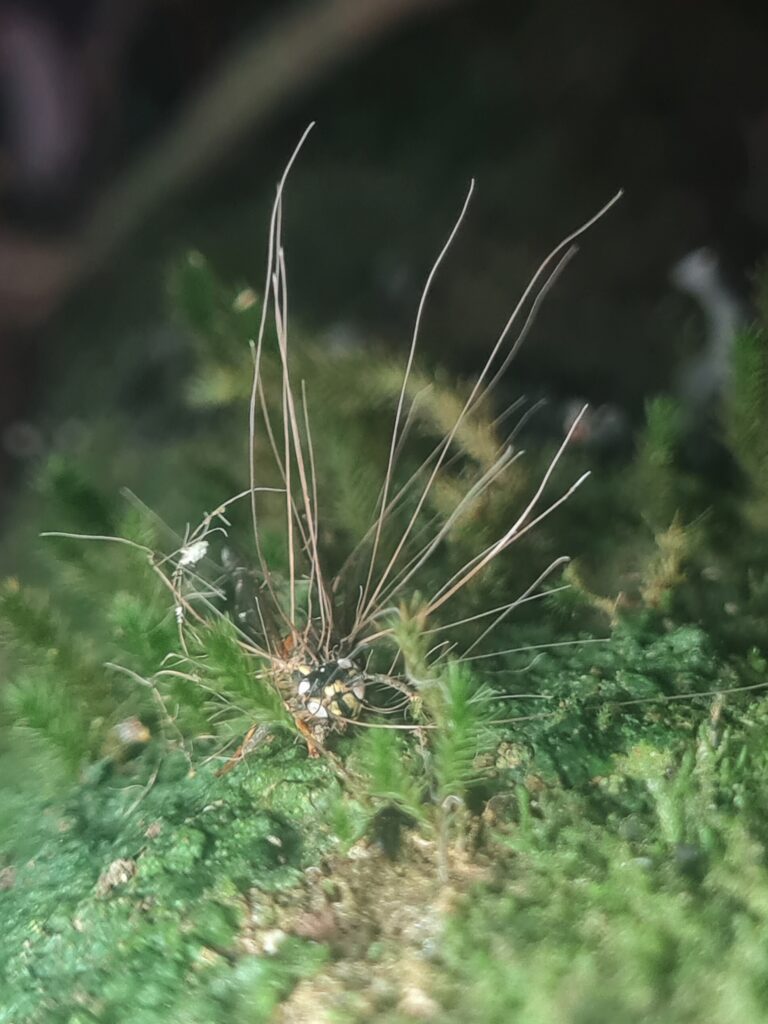
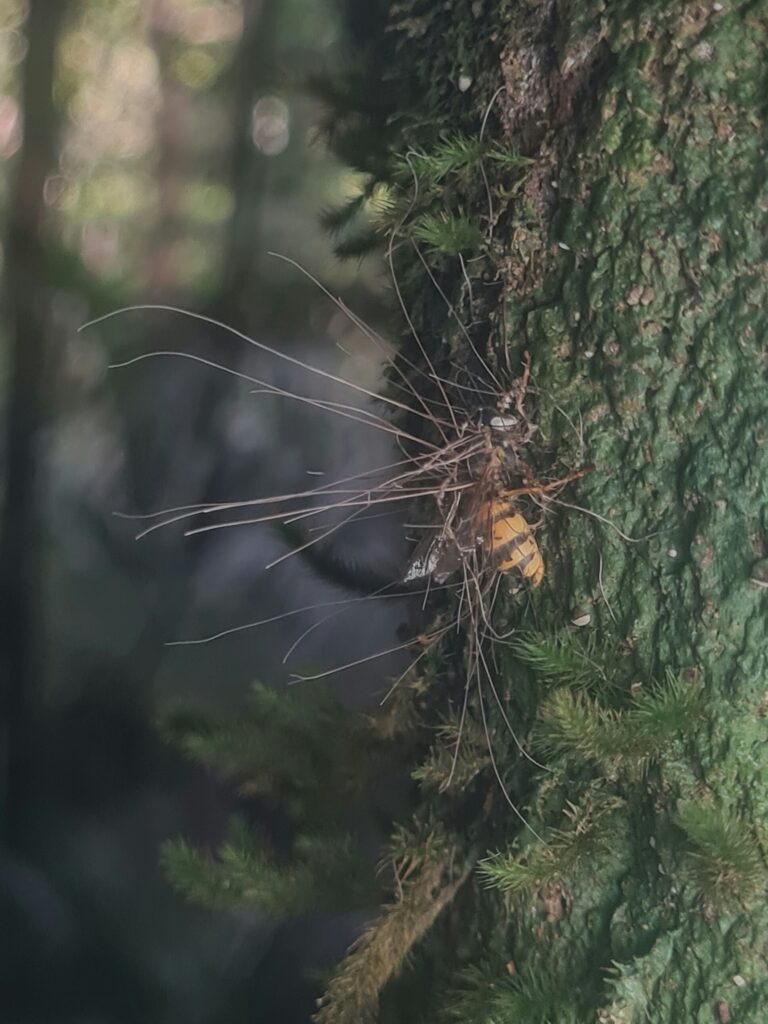
Photo Credits: Andy Avery
Week Three from Ranger Craig:
We started the week looking for any sign of the dog that was reported as loose on the Pukenui loop track. I worked for a couple of days in the area doing other jobs whilst keeping an eye out for dog sign. We found nothing on the ground or on camera. Animal Control told us they checked their database for a dog fitting the description in the area, but couldn’t find one. Fingers crossed it has left the bush, and it was just a one-off occurrence.
It was a lovely week in the bush otherwise, lots of pretty scenes like the one below:.
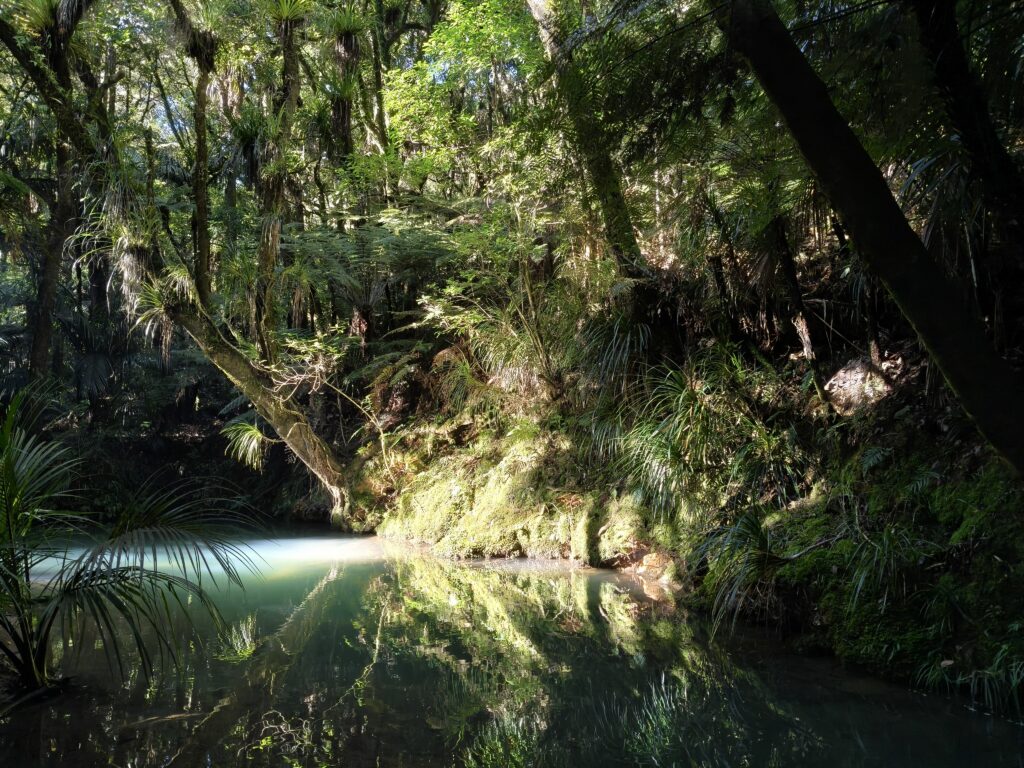
From Ranger Rose – lovely photos from the last week in June
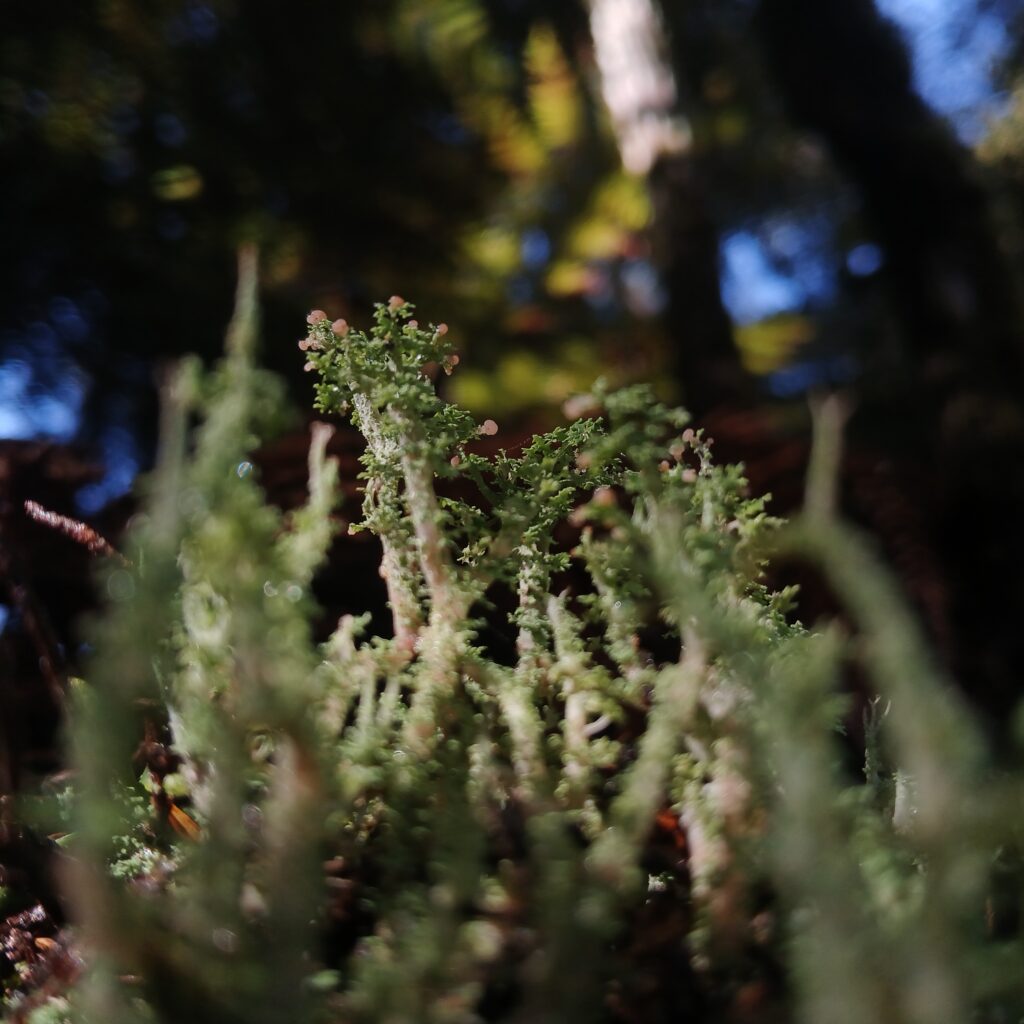
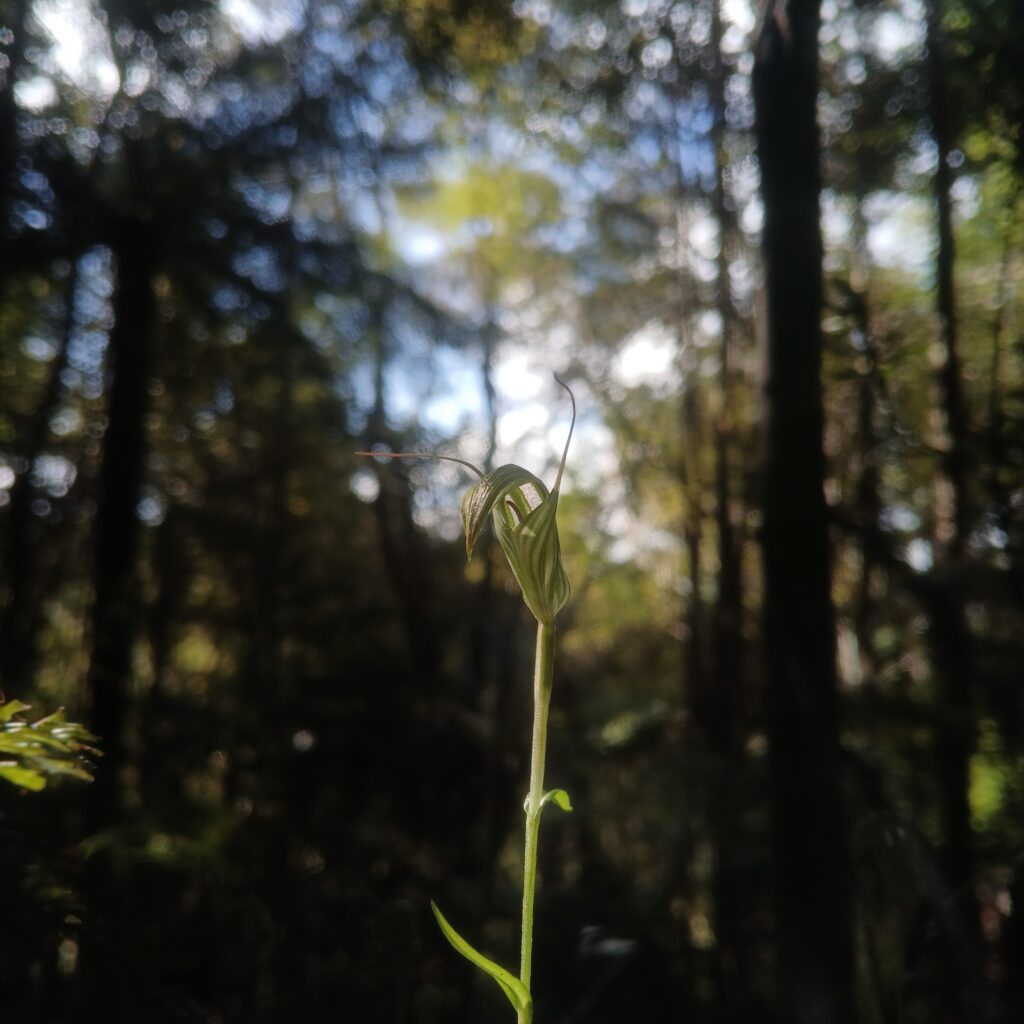
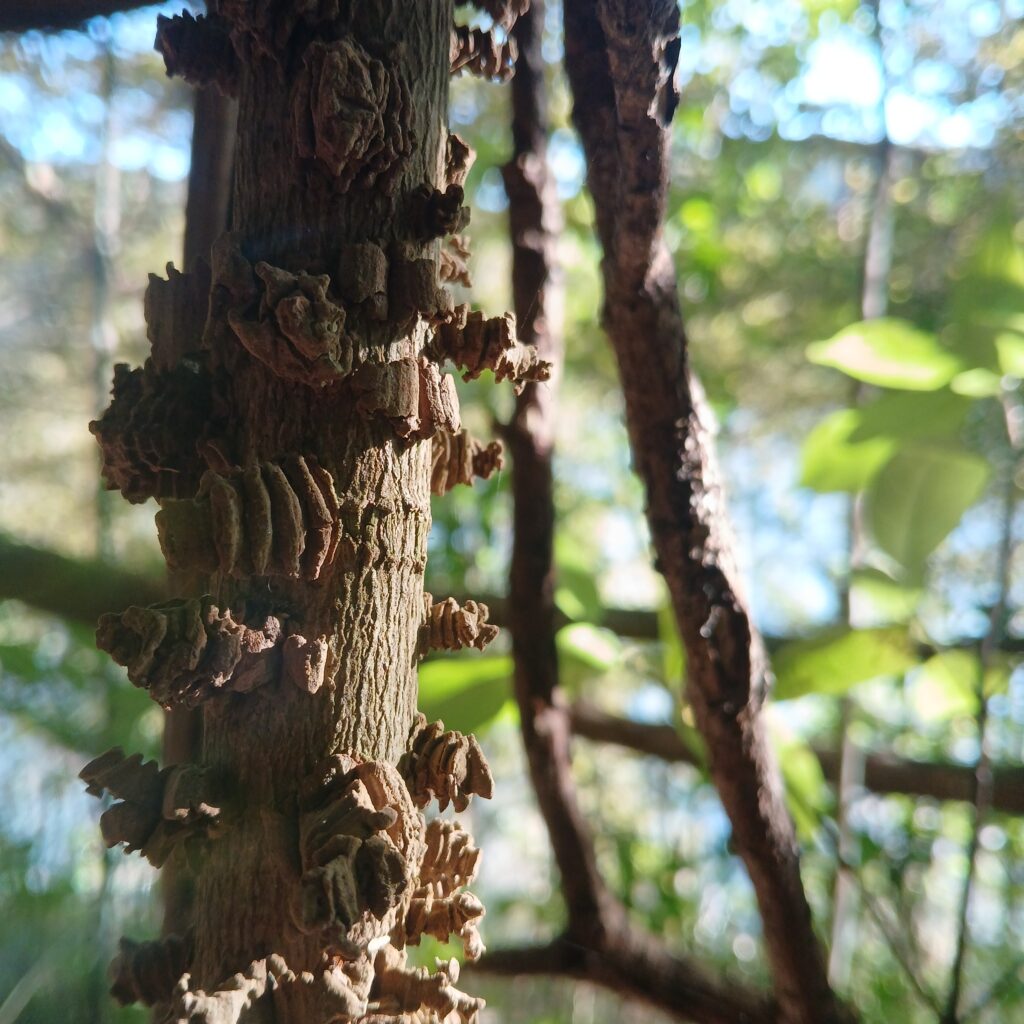
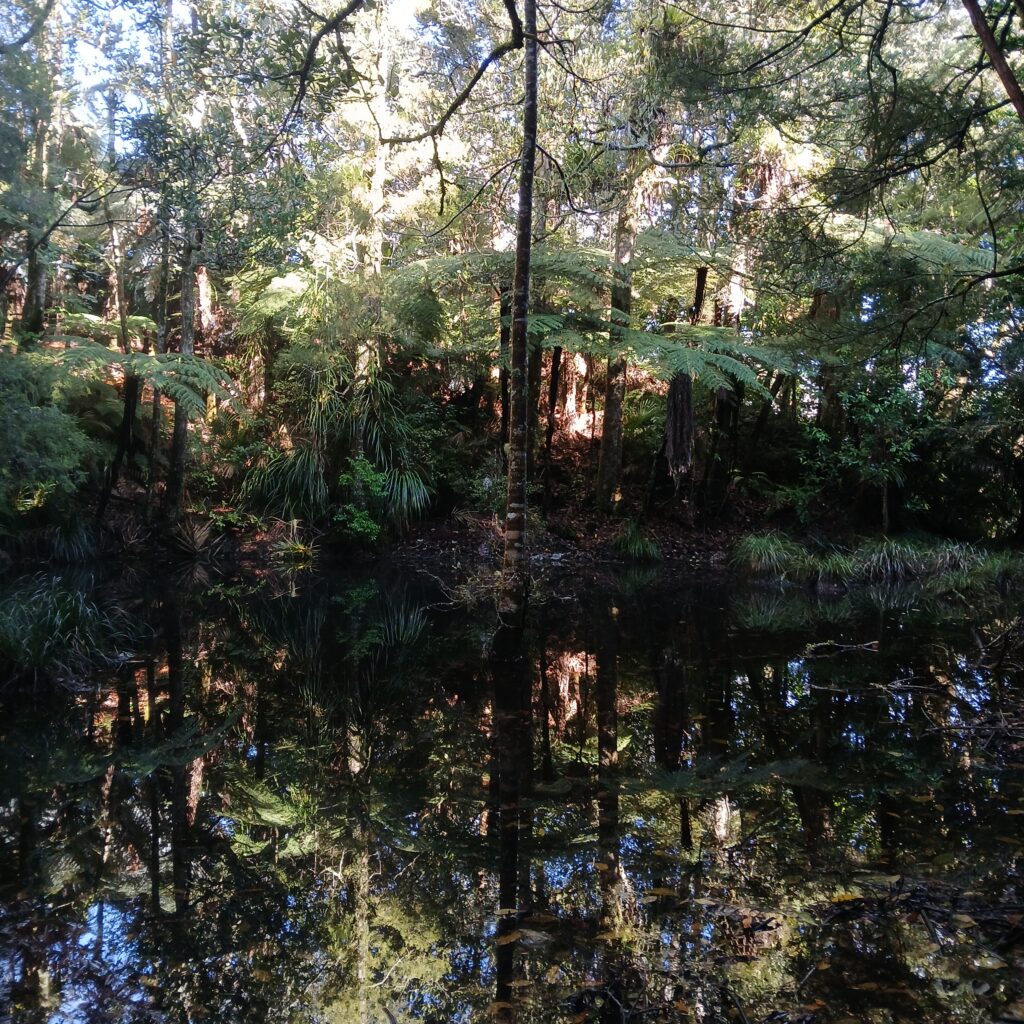
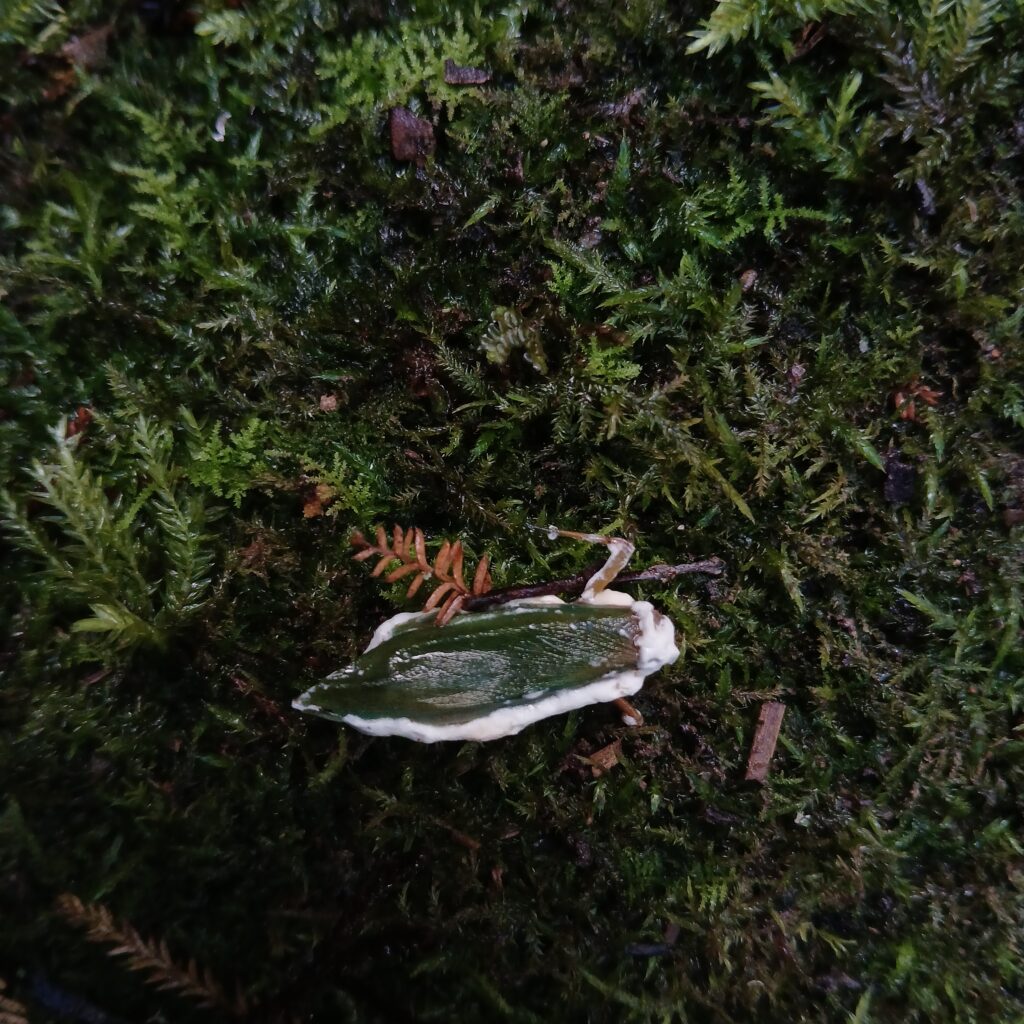
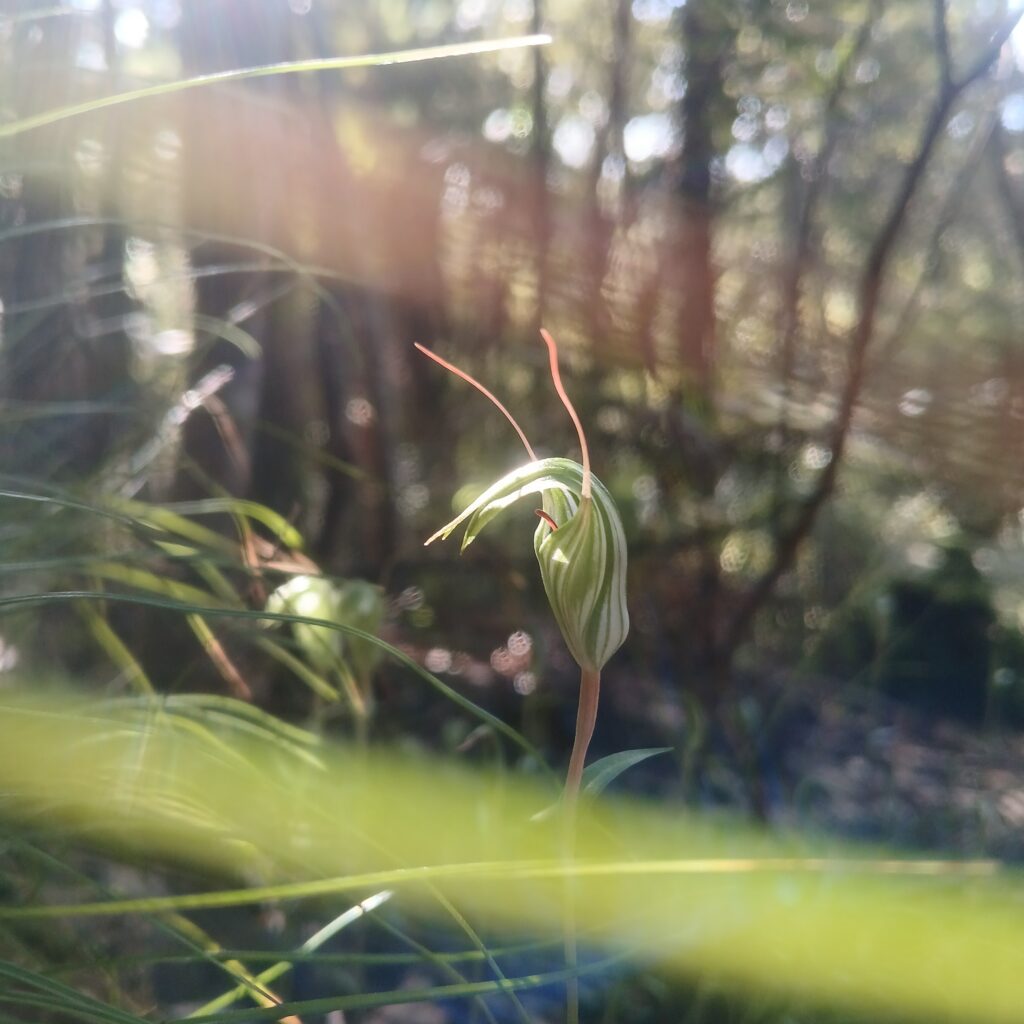
Photo Credits: Rose Warner