
| TRAP DATA | ||||
| MONTH | Rat | Possum | Weasel | Stoat |
| Jan | 139 | 113 | 8 | 3 |
| Feb | 147 | 71 | 5 | 1 |
| March | 146 | 88 | 1 | 1 |
| April | 232 | 150 | 6 | 1 |
| May | 238 | 216 | 4 | 0 |
| June | 149 | 152 | 1 | 0 |
| July | 193 | 119 | 0 | 4 |
| August | 77 | 59 | 0 | 2 |
| OTHER SPECIES | ||||
| MONTH | Cat | H. hog | Ferret | Other |
| Jan | 0 | 0 | 0 | 3 |
| Feb | 0 | 1 | 0 | 3 |
| March | 0 | 0 | 0 | 6 |
| April | 1 | 1 | 0 | 11 |
| May | 0 | 0 | 0 | 23 |
| June | 0 | 1 | 0 | 11 |
| July | 0 | 2 | 0 | 6 |
| August | 1 | 0 | 0 | 4 |
| YEARLY COMPARISON | ||||
| Rat | Possum | Weasel | Stoat | |
| 2024 | 644 | 19* | 19 | 14 |
| 2025 | 1286 | 1352 | 24 | 19 |
| 2026 so far | 1321 | 968 | 25 | 12 |
| *Not including AT220 kills | ||||
| Cat | H.hog | Ferret | Other | |
| 2024 | 7 | 11 | 1 | 14 |
| 2025 | 7 | 13 | 1 | 58 |
| 2026 so far | 2 | 5 | 0 | 67 |
Week One from Senior Ranger Andy:
Great team effort this week. Thanks to Simon, Liam, Tom and our x2 new Practicum students Kate and Maia for helping put out with pre-feed. A big thank you goes out to Mike Bray for his continued efforts trapping and improving the Southern buffer traps, really quality work, so thank you Mike. Thanks also to Jaap for his trapping efforts this week and to Steve Detlaff for helping to coordinate the trapping in the coronation Reserve. I feel lucky to work with such a dedicated team of volunteers, everyone at the Trust and all the native creatures and plants of the Pukenui thank you.
Prefeed and blaze.
Photo credit: Andy Avery
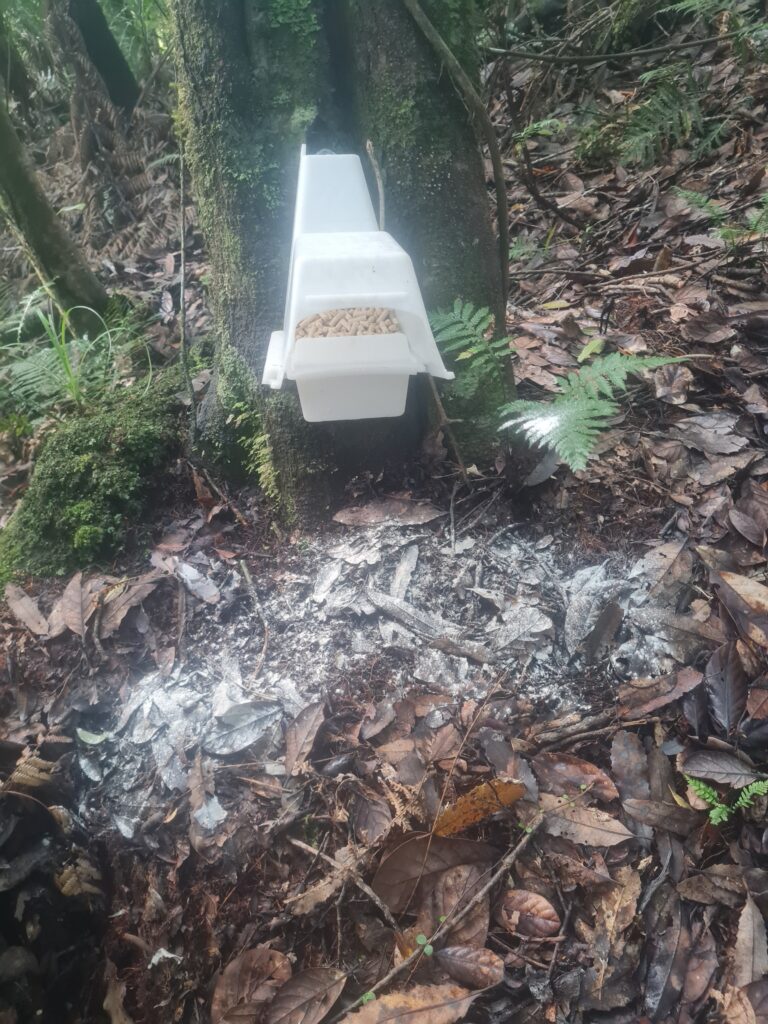
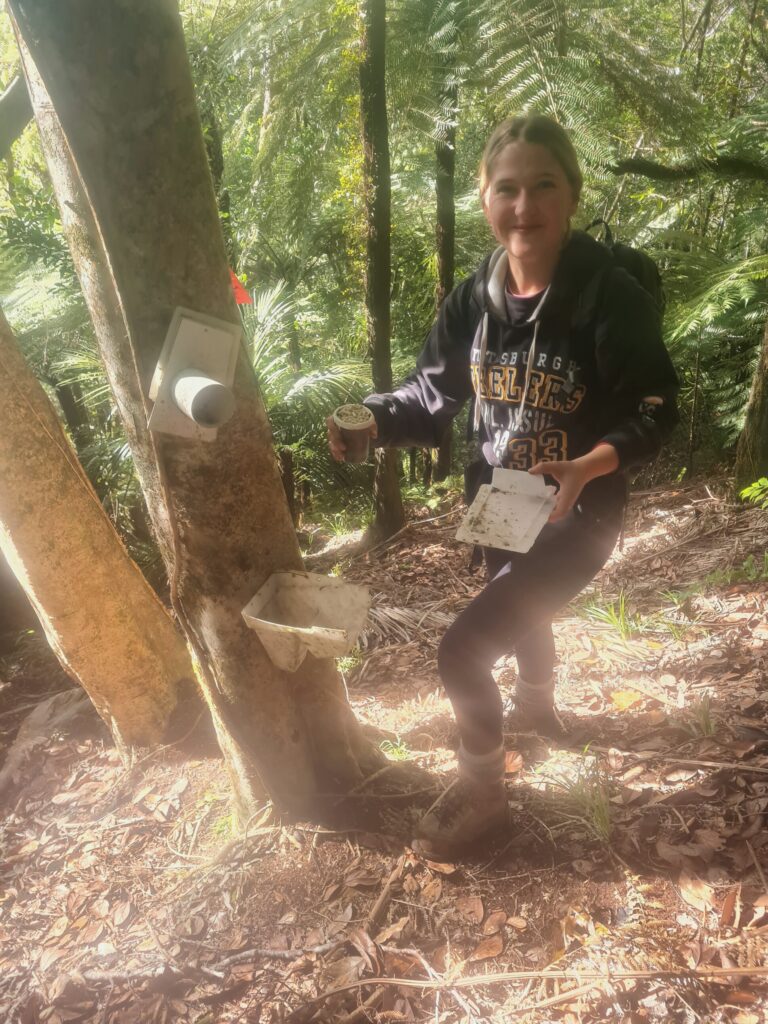
Volunteer Kate with pre-feed.
Photo credit: Andy Avery
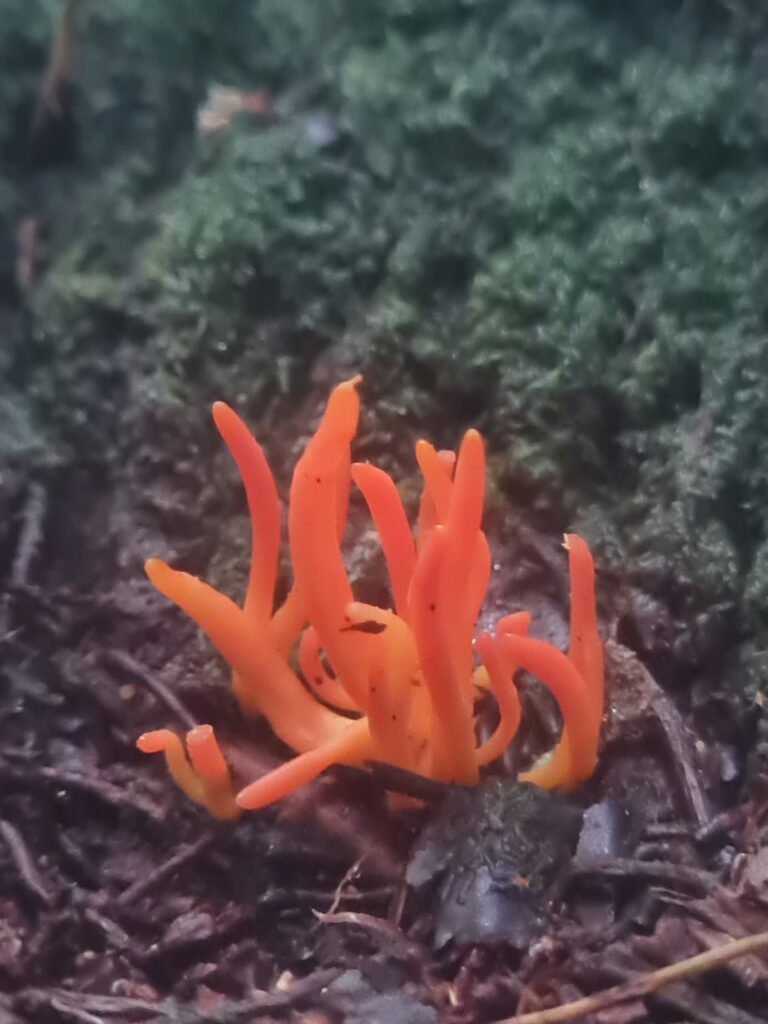
Kate and I came across numerous examples of Clavulinopsis corallinorosacea fungus. We wondered why some fungal fruiting bodies are so vividly coloured. Apparently, as fungi cannot move to the shade, pigments in their cell walls absorb and block damaging UV rays. Dark pigments like melanin or bright carotenoids protect the delicate tissues from heat and light stress. Just like colourful fruit attracts animals to spread seeds, bright mushroom caps draw in insects, slugs, or birds to help scatter spores.
Photo credit: Andy Avery
From Ranger Craig:
Another good period of weather has seen us now complete prefeed in 31 out of the 35 blocks, with lots of help again from volunteers this week.
We had our 2 Northtec placement students, Maia and Kate starting this week. Both are really keen and got stuck in straight away helping us out with prefeed. We have them for 12 days in what will hopefully be a mutually beneficial relationship for all of us.
Shout out to Zac (volunteer trustee) for all his ongoing tireless work behind the scenes. When we rangers describe what we’ve been up to during the week usually Zac has had a hand in it somewhere, from procuring us gear, chasing up permissions and applications, to just some advice from his wealth of knowledge on pest control! We really do appreciate him making our job a lot more straight forward!
Week Two from Senior Ranger Andy:
Despite the mixed weather this week we have filled x34 of the proposed x35 blocks with prefeed pellets. Next week we will re-fill, where necessary and continue track clearing and line maintenance and keep the pest animals interested before we pulse the toxin at the end of the month.
We were sent some great Pekapeka imagery from one of our volunteers who lives near to the southern edge of the Pukenui:
While out trapping on Thursday with Practicum Students Maia and Kate we discovered a large patch of striking bright yellow waxgill aka Gloioxanthomyces chromolimoneus.
While out in the North Western edge of the bush, a delicate brown moth flew past me and settled on a patch of green moss. She sat still long enough that I could get a portrait using my digital microscope. I find moth Antennae fascinating, apparently they are used for smell and Pheromone Detection and have tiny receptors called sensilla that detect chemical scents in the air, allowing male moths to track female pheromones from miles away. Moths also use their antennae for flight Stability acting like gyroscopes, helping the moth sense air currents and adjust its direction quickly to evade predators like bats.
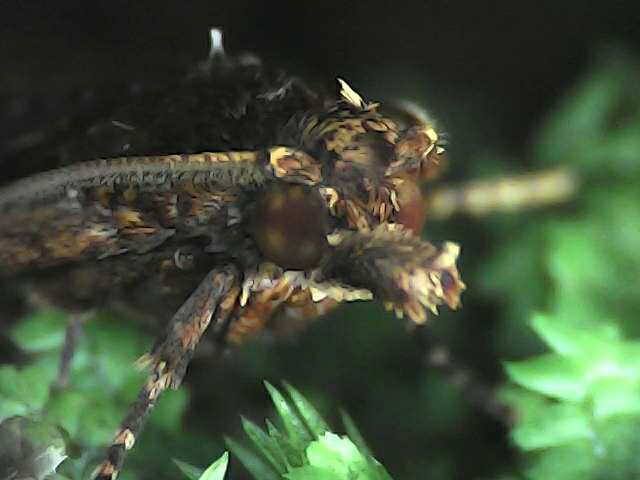
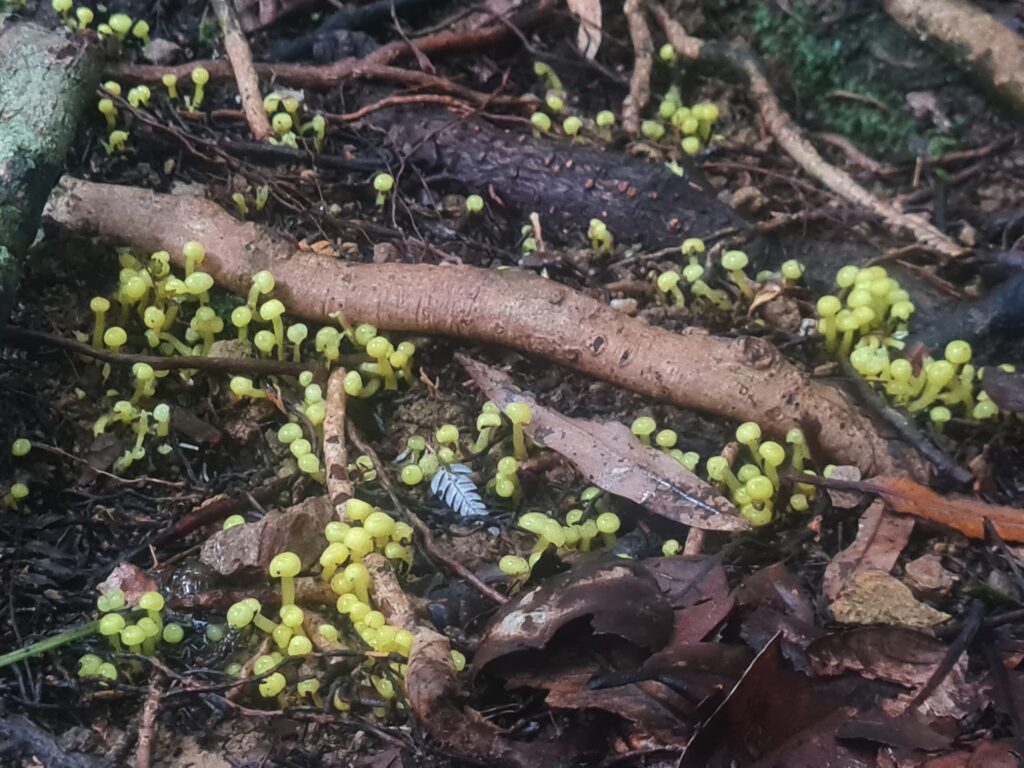
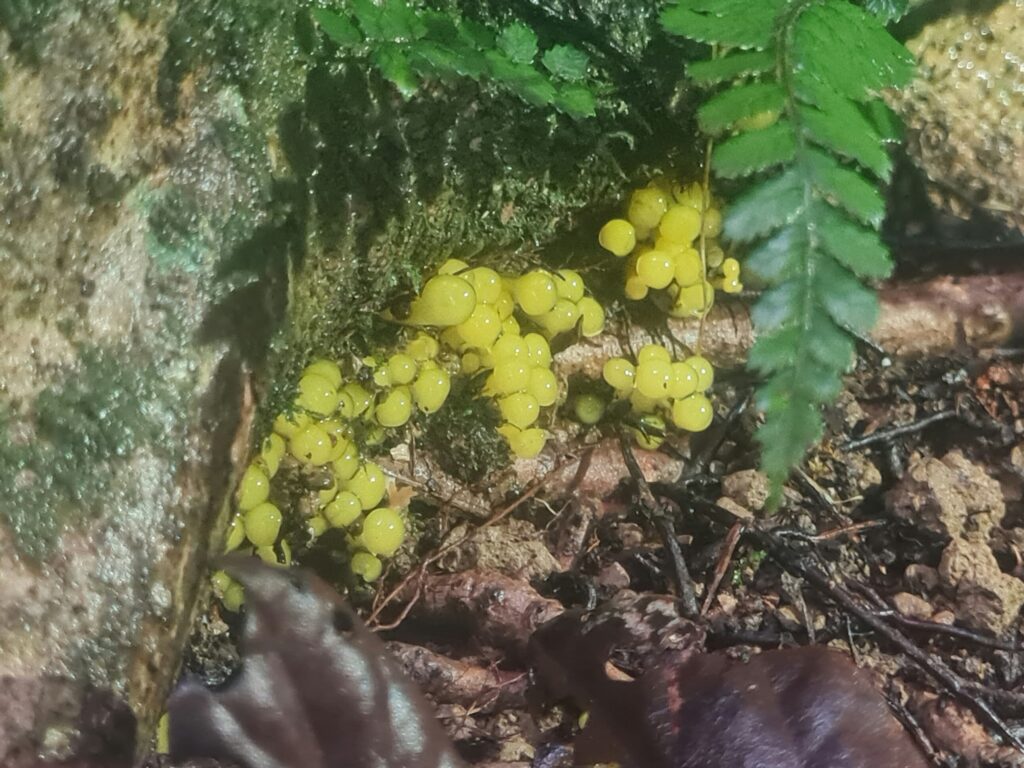

Photo Credits: Andy Avery
Week Three from Senior Ranger Andy:
All 35 blocks have had at least 1 round of pre-feed, the tracks have been cleared and bait stations repaired as needed. The warning signs will go up over the weekend and we will begin the pulse on Tuesday.
This weeks discoveries in the Pukenui included another moth that had been taken over by Ophiocordyceps fungus, a potential Pekapeka bat roost and a while out collecting tracking tunnels with volunteer Candace, a kiwi in a burrow. We’ve put out trail cameras and acoustic devices – I’ll keep you updated.
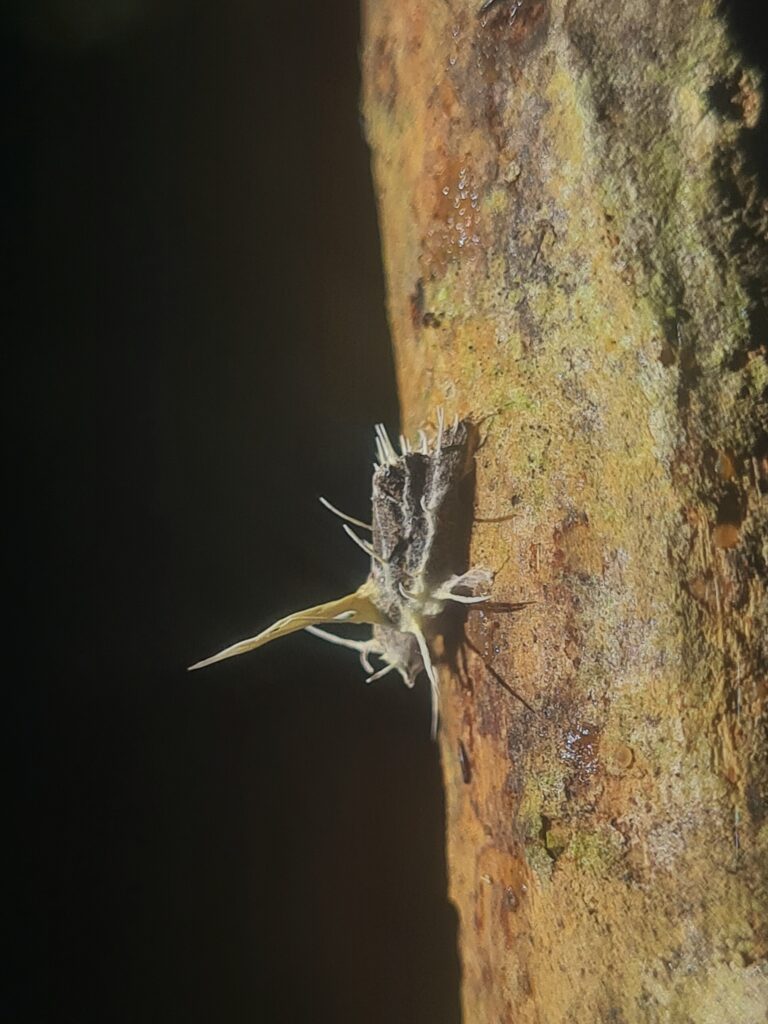
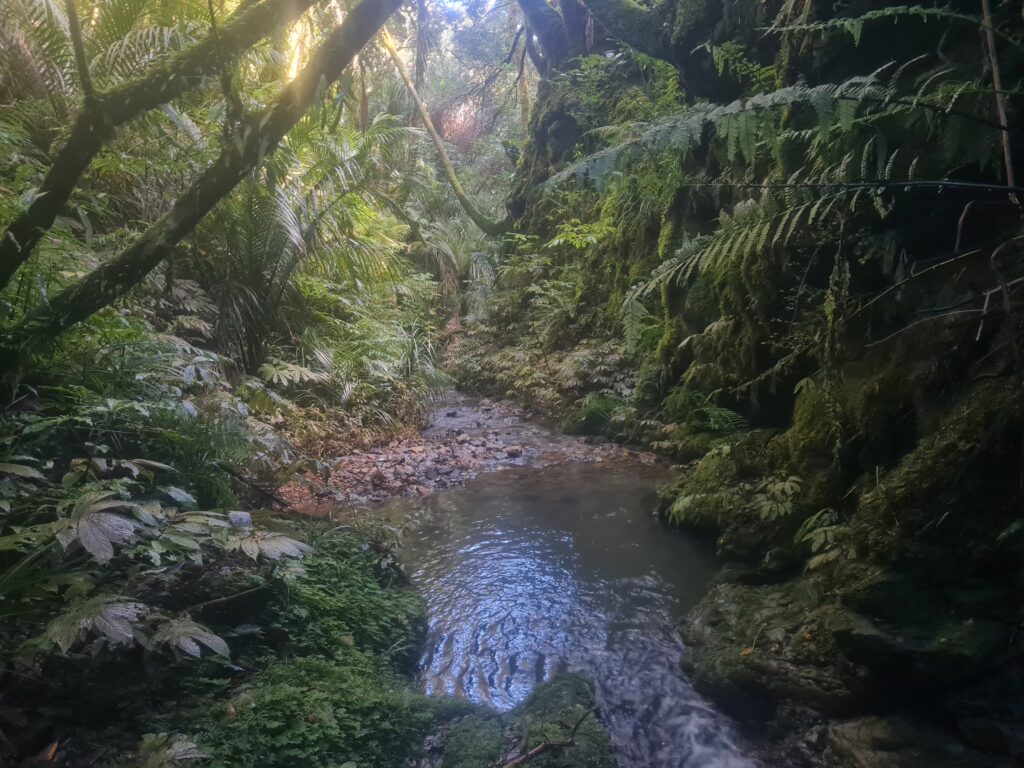
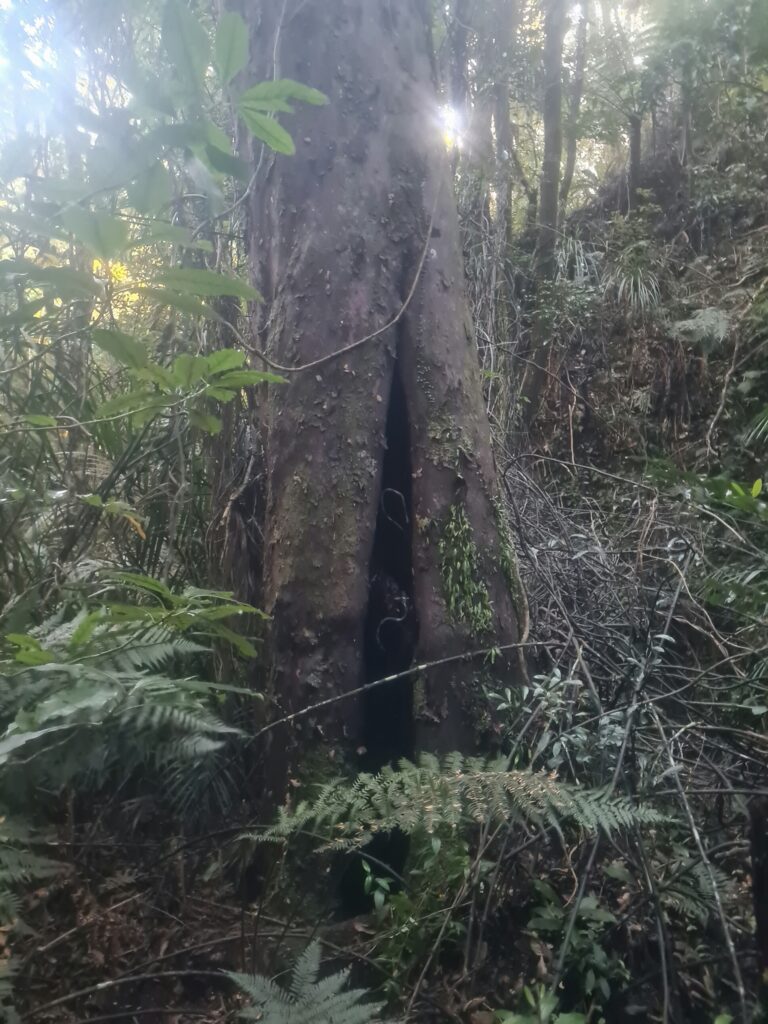

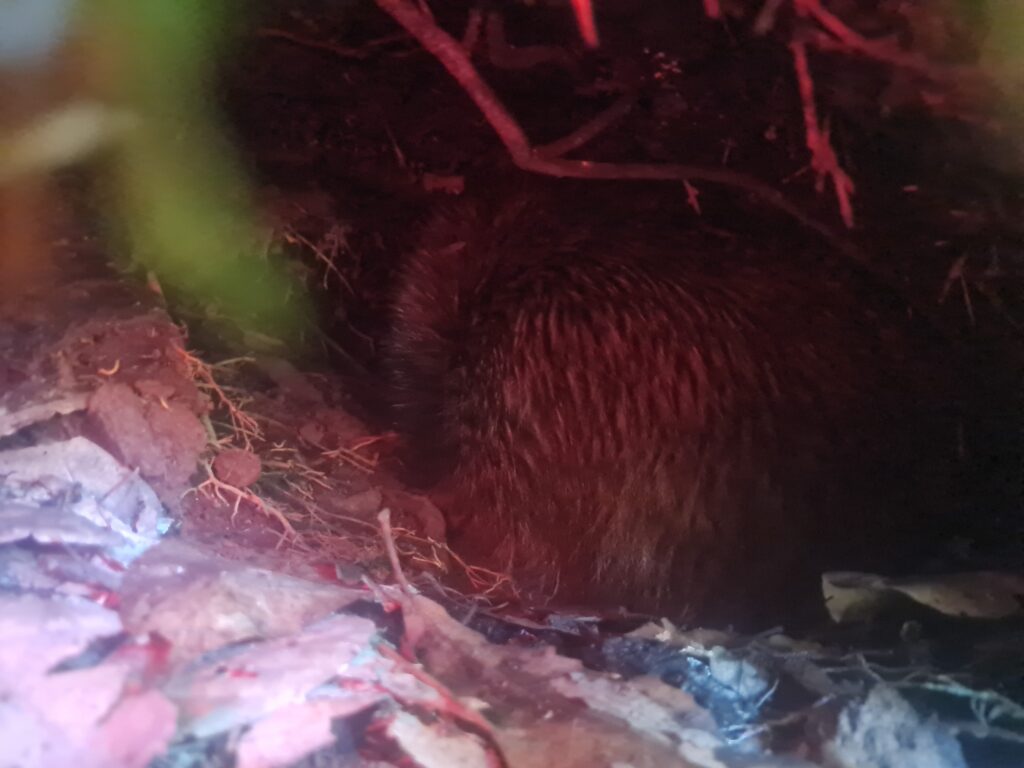
Photo Credits: Andy Avery
We have had an encouraging start to the week, with good weather, we have started our pulse. Over the last few weeks we have been seeing a few stoats in our doc200 traps, so it’s good timing with the toxin.
While out in blocks 32 and 33 this week I noticed a rather stunning brown moth, with long delicate antennae and I had a close look at some moss growing on a fallen tree. I also happened upon some amorous giraffe weevils.
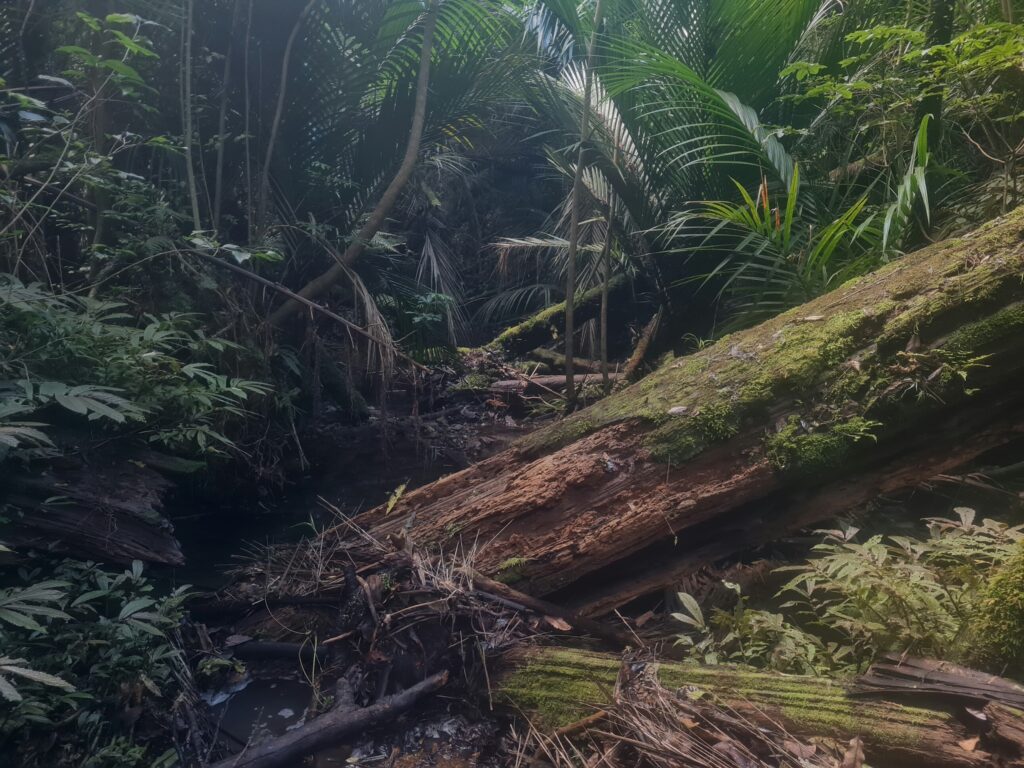
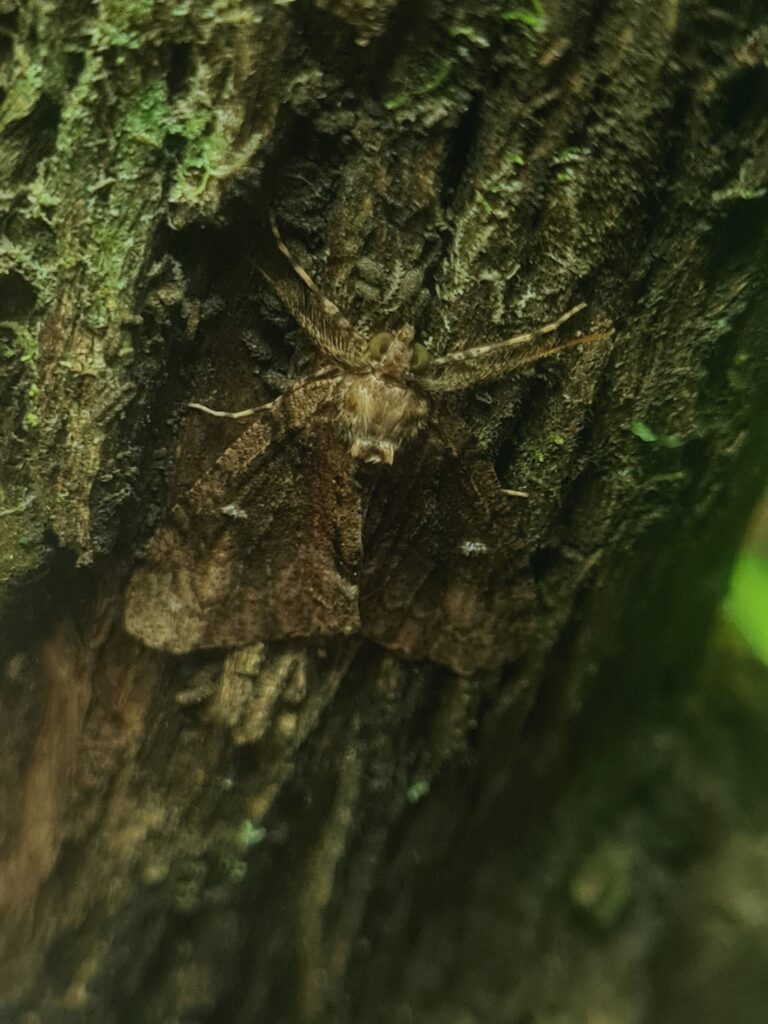
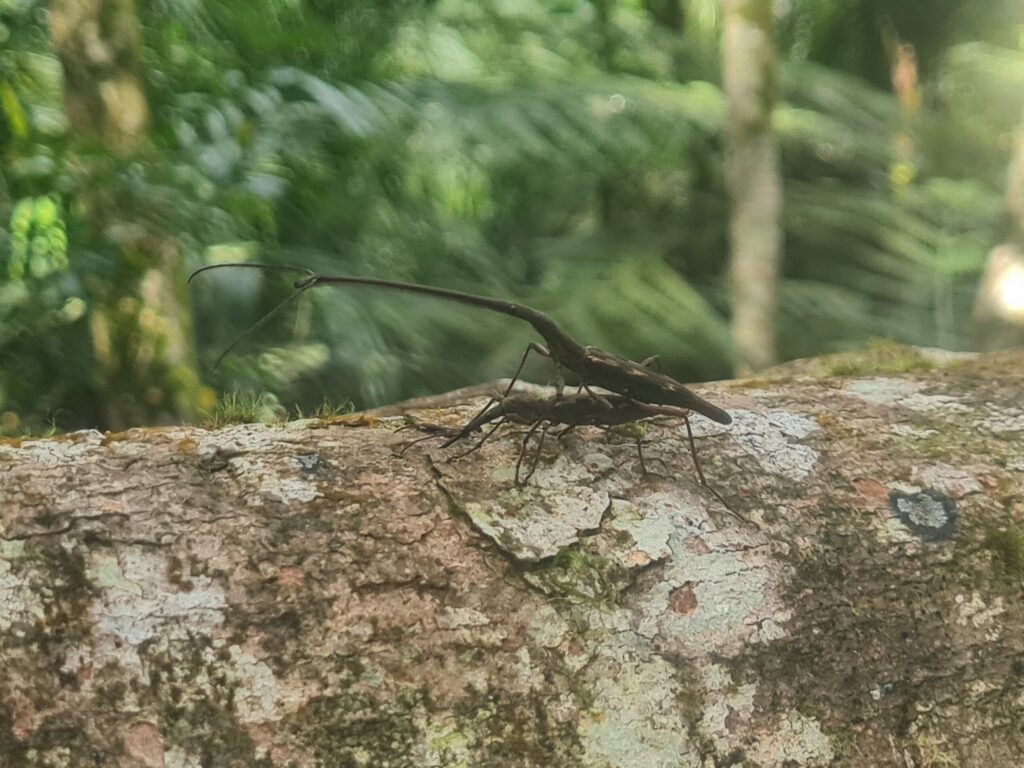
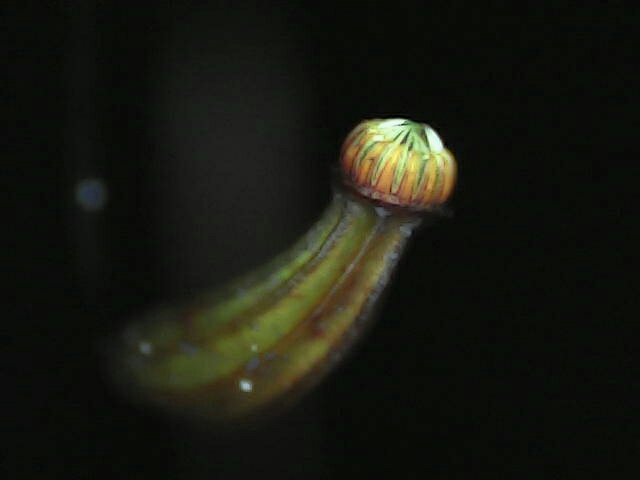
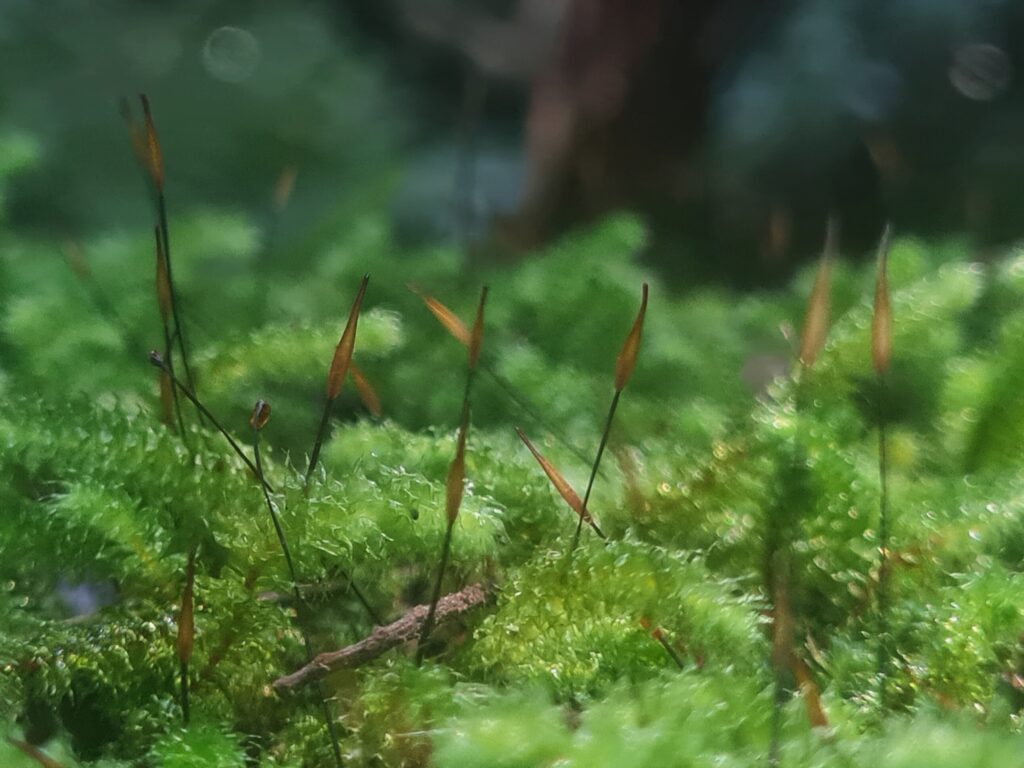
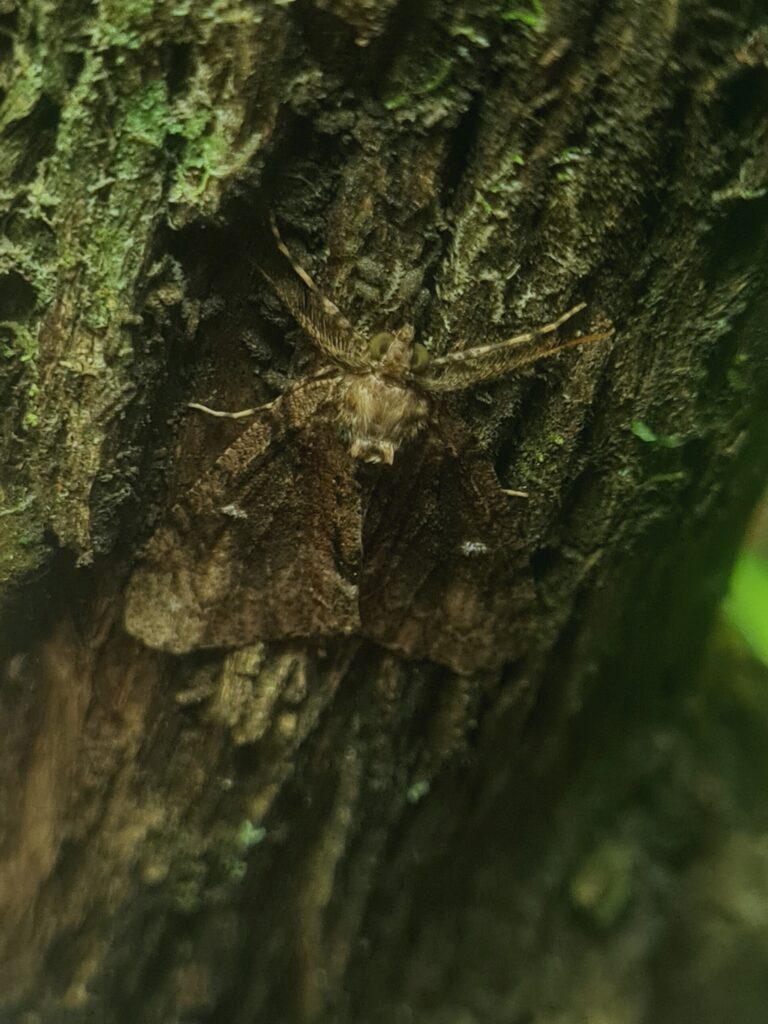
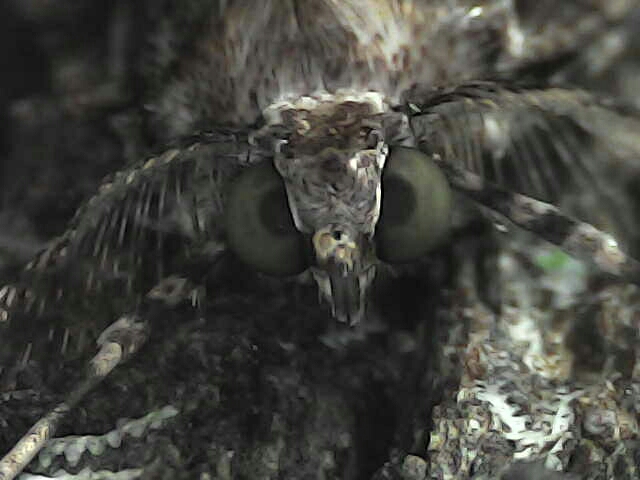
Photo Credits: Andy Avery